Steaming Stories: The Cultural Legacy of Mexican Tamales
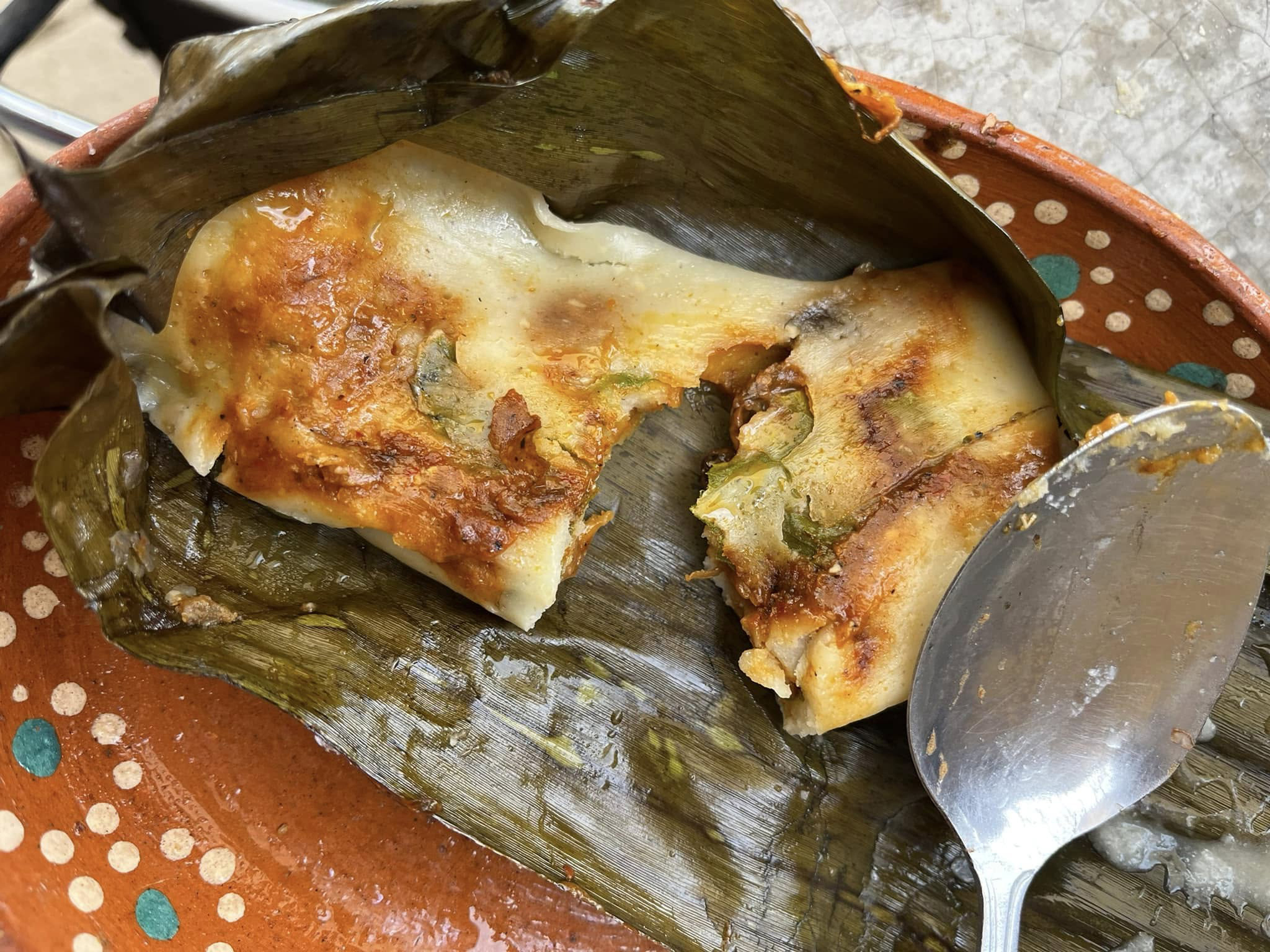
In northern Mexico, winter arrives not only with colder winds and star-filled nights, but with a fragrance that evokes memory: the soft steam of corn masa, the earthy aroma of roasted chiles, and the comforting sound of kitchens coming alive. This is tamal season, a moment when tradition, community, and ancestral heritage blend into one of our most beloved foods.
While central and southern Mexico enjoy tamales year-round, each region boasting its own techniques and flavors, the north has its own rhythm.
Here, tamales are part of seasonal rituals, enjoyed mainly during December: Christmas posadas, Christmas Eve dinner, New Year’s celebrations, and the warm-hearted gathering of Candelarias Day on February 2. These dates are more than festive—they are reminders of agricultural blessings, family unity, and the yearly cycle of renewal.
An Ancient Gift: Tamales in the Pre-Hispanic World
Long before modern borders or written recipes, tamales were already traveling across the civilizations of Mesoamerica. Archaeological findings suggest that tamales have existed for over 4,000 years, making them among the earliest portable foods in the Americas.
For the Olmecs, considered one of the first great civilizations in the region, tamales may have been used as ritual offerings. Later, among the Maya, tamales were frequently served at ceremonies dedicated to the gods of maize. Some early codices depict celebrations in which families prepared tamales to honor Yum Kaax, the spirit who protects the milpa and the cycle of life.
The Mexica (Aztecs) elevated tamales to a sacred level within their festival calendar. Each month of the Aztec year held ceremonies in which specific types of tamales were prepared. Some were filled with beans and native herbs, while others were filled with squash blossoms or amaranth. During the festival of Atamalcualiztli—”the eating of water tamales”—people cleansed their bodies and spirits by eating plain tamales with no salt or chile, symbolizing renewal.
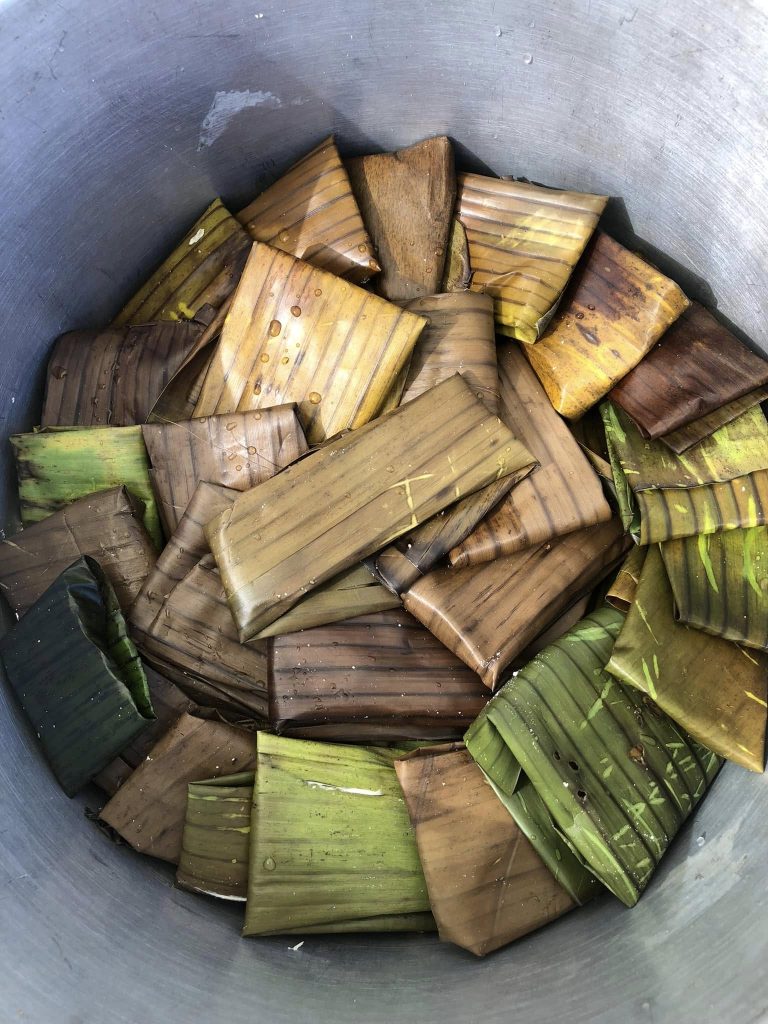
Even more fascinating is that tamales were considered the ideal food for travelers and warriors. Moctezuma’s armies carried tamales wrapped in leaves for long journeys, just as Andean communities carried versions like humitas across the mountains.
A Food That Traveled Across Lands and Time
Today, nearly every region of Mexico has its own tamal traditions, and it is estimated that there are over 500 variations in the country alone. But variations exist throughout Latin America: hallacas in Venezuela, humitas in the Andes, pasteles del Caribe, and dozens more—each with its own identity, yet all sharing a common origin in the continent’s maize cultures.
Some of the most emblematic Mexican varieties include:
● Tamales wrapped in chard leaves, filled with countryside stews and seasonal ingredients
● Sweet masa tamales with raisins and cinnamon
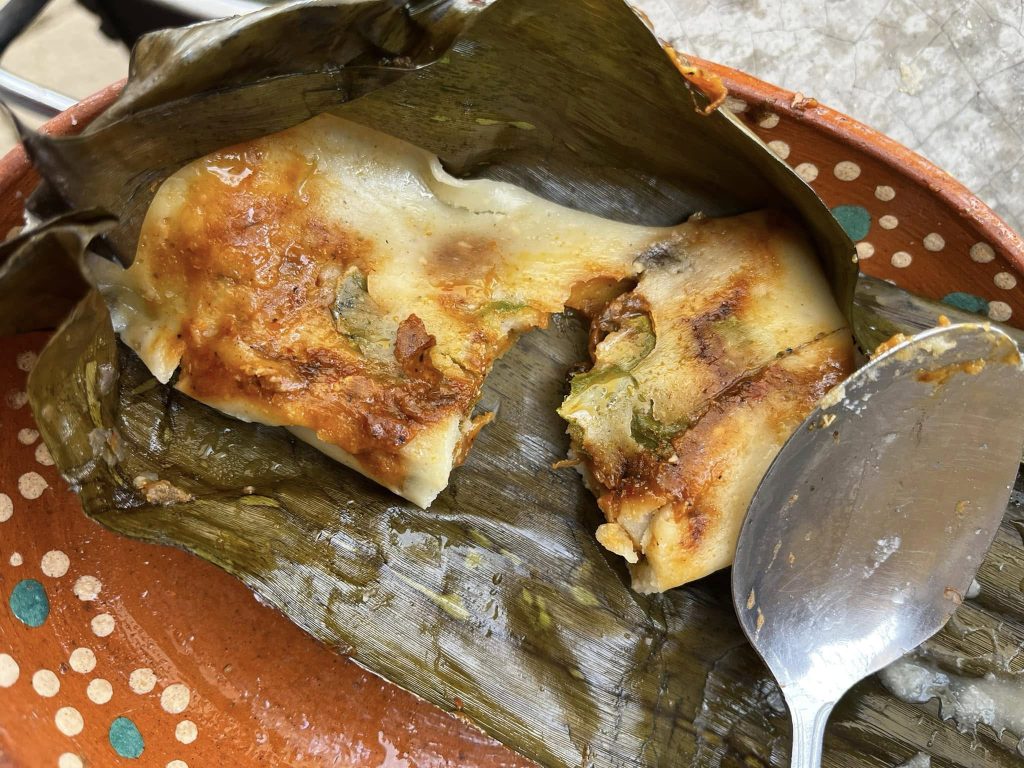
● Oaxacan tamales wrapped in banana leaf
● Zacahuil, the “giant tamal” baked for hours in an earth oven
● Chiapas-style tamales wrapped in chipil leaf, aromatic and tender
● Papatzules and chaya tamales from the Maya region
● Ceremonial tamales with ceniza, prepared as offerings to the land after harvest
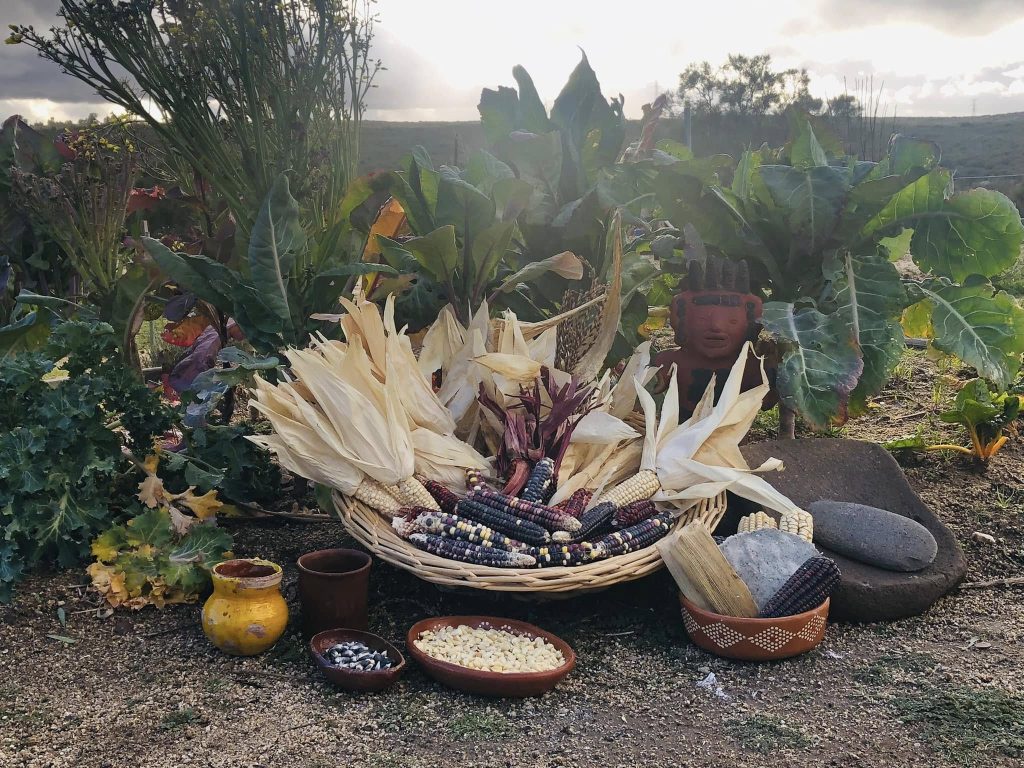
What unites them all is the same ancient foundation: nixtamalized maize, the ingenious Mesoamerican culinary science that transforms corn into a highly nutritious, aromatic, pliable dough—masa. Without nixtamal, there would be no tamales, no tortillas, no atole. It is a technology so advanced that food historians call it “one of humanity’s culinary masterpieces.”







Curious Facts Hidden in the Steam
● The word tamal comes from the Náhuatl tamalli, meaning “wrapped.”
● The oldest known reference to tamales appears in the Códice Florentino, where they are described in ceremonial offerings.
● In Maya communities, tamales were believed to nourish not only the body but the spirit. Some were explicitly prepared to “feed” the souls of ancestors.
● In many regions, the first tamal to finish steaming was not eaten—it was placed on the ground as an offering to the Earth.
● Some pre-Hispanic tamales were filled with squash seeds, or with tender maize grains.
● Tamales have even appeared in early chronicles as diplomatic gifts exchanged among rulers.
The Ritual of Making Tamales
The most remarkable aspect of tamales is not the food itself, but the act of making them. Even today, preparing tamales is a collective ceremony.
Families gather, sometimes for hours, to prepare:
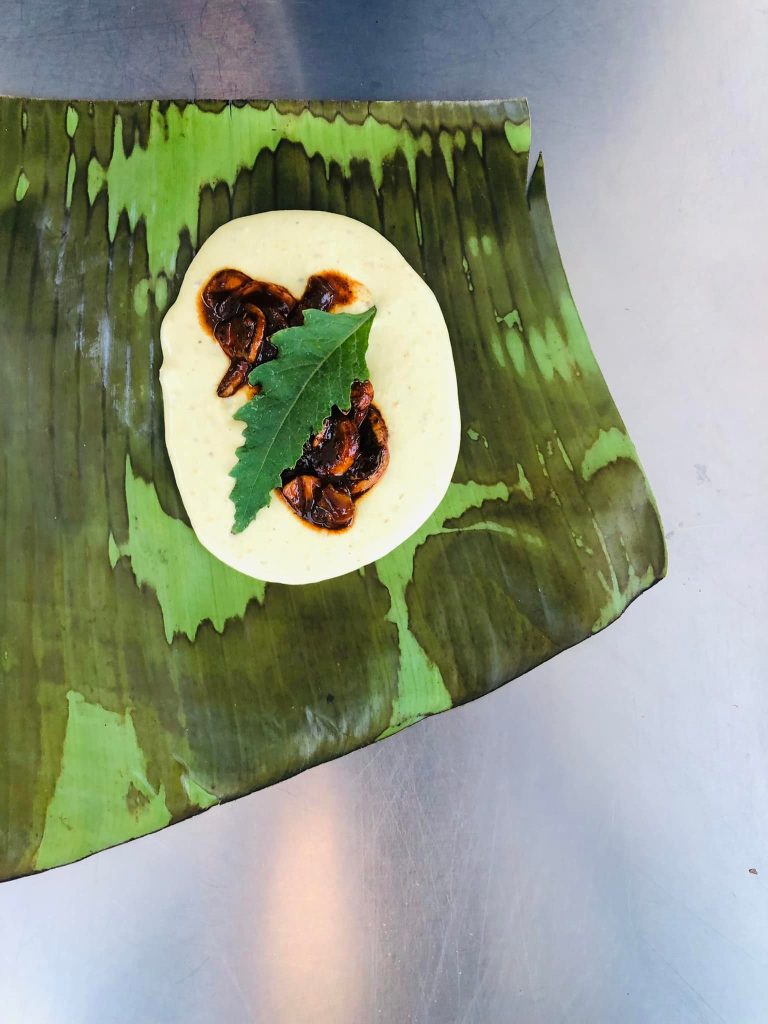
● the masa, kneaded until soft and airy
● the guisos, fragrant with chile, herbs
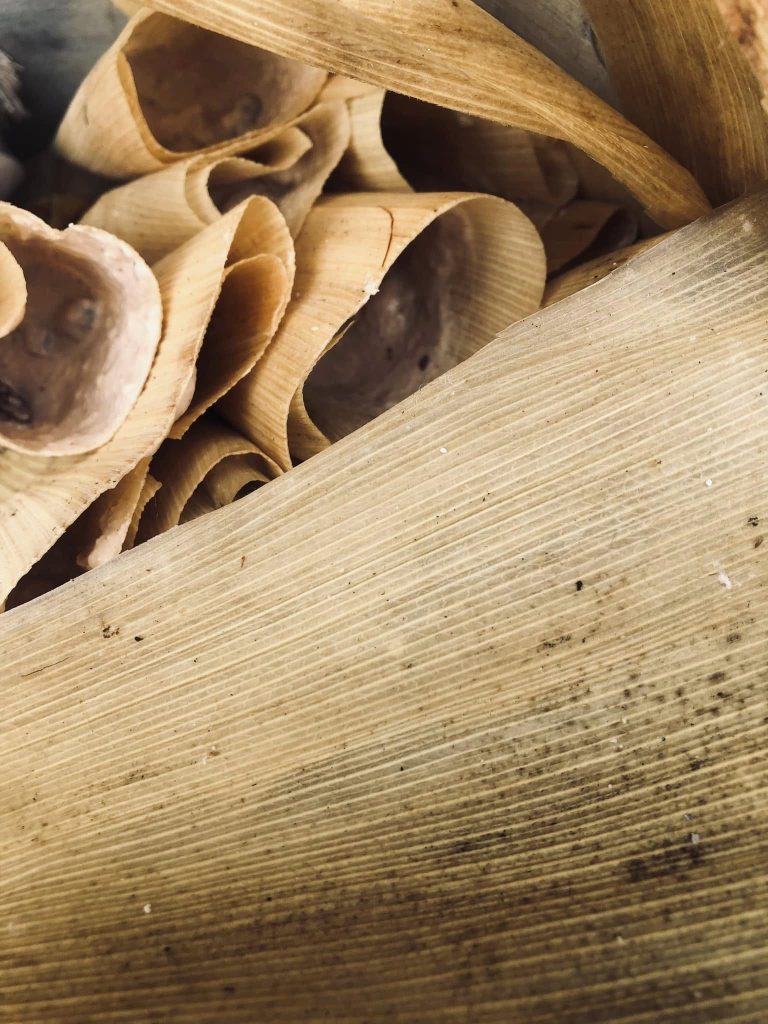
● the leaves, soaked and softened so they wrap without tearing
The work is shared across generations—grandmothers teaching technique, children learning patience, friends catching up on stories. In some households, whoever finds themselves laughing the most is said to make the best tamales, because joy softens the masa.
For communities in northern Mexico, this ritual typically comes alive only during the winter months, making the experience even more anticipated and treasured.
Tamales and Their Beloved Companions
Throughout Mexico, tamales are accompanied by drinks that also trace their roots to pre-Hispanic cultures:
● Atole, made with ground maize, water or milk, and sweetened with agave or piloncillo
● Champurrado, a rich and comforting drink that blends cacao, maize, and spices like cinnamon
These beverages were once consumed by priests, farmers, and rulers alike as nourishing, sacred sustenance.
Honoring Tradition at Rancho La Puerta
At Rancho La Puerta, we are honored to continue this ancient culinary lineage. We understand that food is not merely nourishment—it is storytelling, identity, and a bridge to the past.
At La Cocina Que Canta, these ancestral ingredients come together in a culinary experience that nourishes both body and soul. Through hands-on workshops filled with aromas, flavors, and storytelling, we invite our guests to rediscover Mexican cuisine as a sacred act—an expression of connection to the land, to history, and to the joy of sharing.
This exceptional experience will be presented by Casa de los Cirios, a community-based agroecological project from Tecate, Baja California, dedicated to preserving and celebrating Mexico’s rich culinary heritage. Their work is rooted in research, cultural immersion, and meaningful encounters with traditional women cooks from rural and Indigenous communities across the country. Guided by a deep respect for the land and its people, Casa de los Cirios seeks to reconnect food with its origins by emphasizing agroecological practices and utilizing seasonal, organic ingredients grown in local gardens.
Participants in this unique experience will engage all their senses while learning ancestral culinary techniques such as nixtamalization, the toasting and grinding of cacao seeds, the crafting of traditional salsas in a stone molcajete, and the use of the metate and hand mill to prepare fresh, handmade tortillas. Each dish is lovingly crafted with ingredients harvested directly from the garden, highlighting the deep connection between the Earth, food, and community.
This December, we are especially delighted to offer a Tamales Workshop, where guests will explore the cultural history of tamales while preparing a variety of seasonal fillings. We will also share a warm drink made from chocolate and maize, inspired by traditional Mesoamerican recipes. Together, we will celebrate the flavors of winter, the beauty of ancestral traditions, and the joy of cooking in community. This tradition has lasted thousands of years.
More than just a class, this is an opportunity to honor the ancestral wisdom of Mexican cuisine—to touch, taste, and feel the traditions that have nourished bodies and spirits for generations.
Join Angel Lopez and Casa de los Cirios for two hands-on cooking classes and an exceptional farm-to-table dinner during the week of December 20.
We warmly invite you to join us and reserve your place in this meaningful culinary experience.
Make your own holiday tradition with these delicious vegetable tamales.