Why Brain Health Is the New Foundation of Longevity — A Conversation with Dr. Annie Fenn
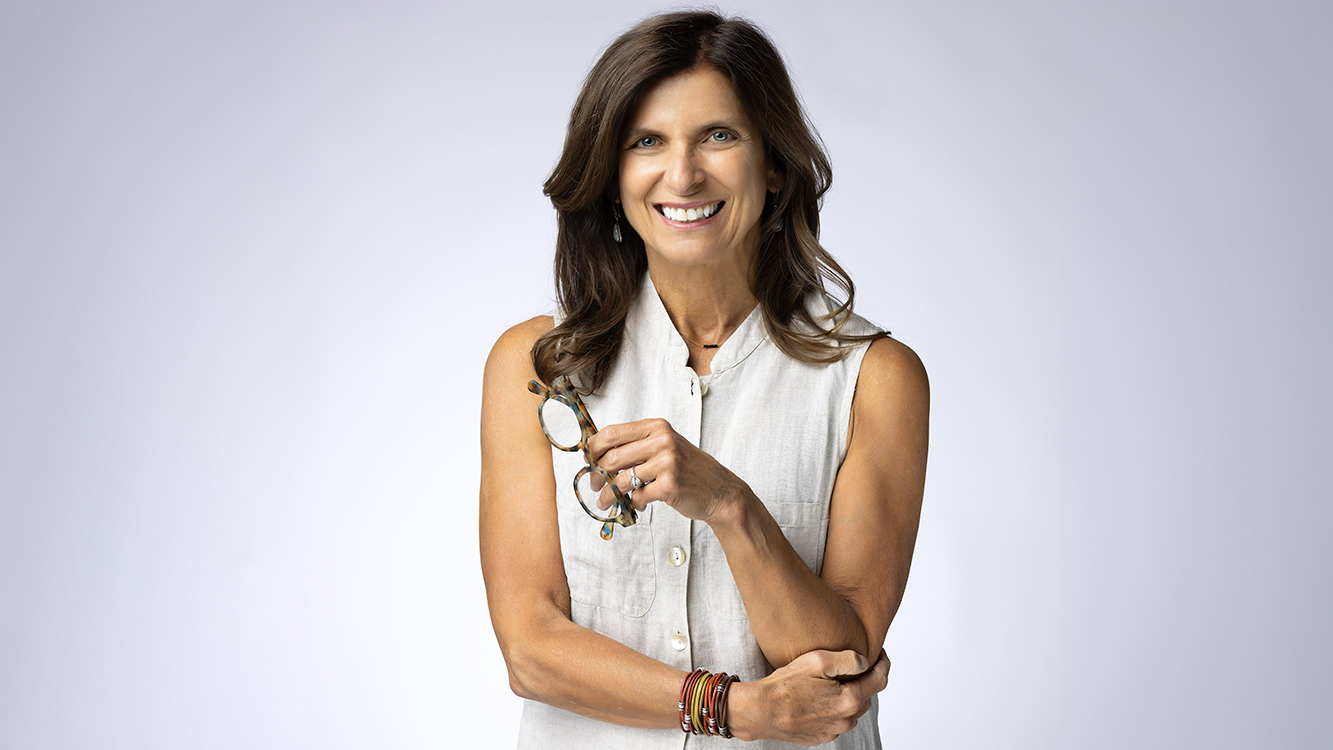
For more than a decade, Dr. Annie Fenn has been one of the compelling voices at the intersection of lifestyle medicine and culinary education. A physician-turned-chef and the author of The Brain Health Kitchen: Preventing Alzheimer’s Through Food, Dr. Fenn has helped redefine how we think about longevity by shifting the focus from merely extending life to strengthening “brainspan,” the number of years our minds remain sharp, resilient, and fully engaged.
Her work blends evidence-based nutritional science with approachable daily practices, empowering people to reduce their risk of Alzheimer’s and live with greater clarity and vitality. Through her bestselling Substack newsletter, her teachings at universities including University of Cincinnati and Harvard, and her Brain Health Retreats, Dr. Fenn has guided guests toward a healthier, more intentional relationship with food, movement, and self-care.
She recently brought her full Brain Health Retreat experience to Rancho La Puerta, offering guests a unique blend of workshops, tastings, discussions, and brain-healthy cooking at La Cocina Que Canta. I sat down with Dr. Fenn to explore the foundations of brain longevity, the surprising habits with the strongest science behind them, and the most meaningful practices guests can take home.
Why is brain health the new foundation of longevity?
I love that framing—brain health as the foundation of longevity—because it’s exactly right. When you take care of your brain, you’re not just lowering your risk of dementia. You’re also protecting yourself against diabetes, heart disease, and even vision loss. The same brain-healthy habits that reduce Alzheimer’s risk also help people live more years free of chronic disease.
The real goal is to expand brainspan—the number of years your brain stays sharp, resilient, and energized—so it keeps pace with your lifespan.
What daily habits have the strongest scientific evidence for protecting the brain and which are surprisingly easy to start?
Food is the easiest on-ramp. I often start with the ten brain-healthy food groups identified in the MIND diet study, which showed a reduction in Alzheimer’s risk of up to 53%. Those foods include berries, leafy greens, vegetables, whole grains, nuts, fish and seafood, extra-virgin olive oil, beans and legumes, and poultry.
A simple exercise is to look at what you eat in an average week. Any gaps? If you don’t eat berries much in winter, know that just two half-cup servings per week have been linked to lower dementia risk—frozen berries count, so stock the freezer. If leafy greens aren’t a daily habit, consider this: people who eat a green salad most days have brains that look about eleven years younger on scans. That’s a pretty good reason to make salad a routine. And if you rotate through lots of cooking oils, using extra-virgin olive oil most of the time is an easy swap with real, measurable benefits for both brain and heart health.
Movement matters just as much. A daily brisk walk remains one of the most powerful, evidence-based habits we know for supporting brain health and longevity.
If someone could take only one or two practices home from this retreat, what would you want it to be and why?
I often describe brain health as a four-legged stool. Nutrition and exercise make up the seat—they have the strongest science—but they only work if the other legs are solid, too: sleep, social connection, stress management, and preventive health care. If one leg is weak, the whole stool wobbles.
So the most important takeaway is self-awareness. When you get home, take an honest look at your own brain health stool. Is it sturdy—or does it need a little work? Maybe you’ve nailed eating for brain health and you move your body regularly, but sleep is falling short. Or maybe your social connections could use some care and tending. Simply noticing where things feel strong—and where they wobble—can be the starting point for meaningful, lasting change.
Here’s a Resonate episode of Barry and Dr Annie Fenn from earlier this year.