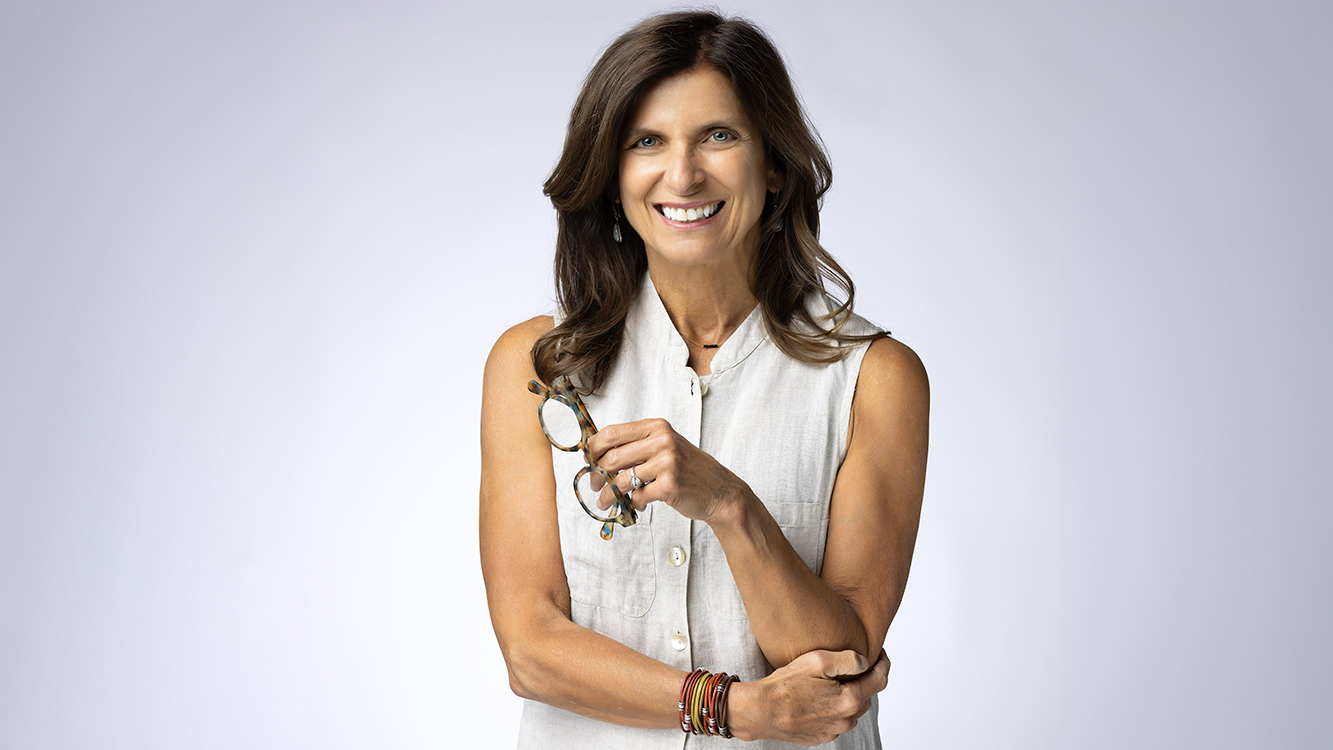
Vibrant Brain, Vibrant Life: Dr. Julie Fratantoni on Cognitive Longevity
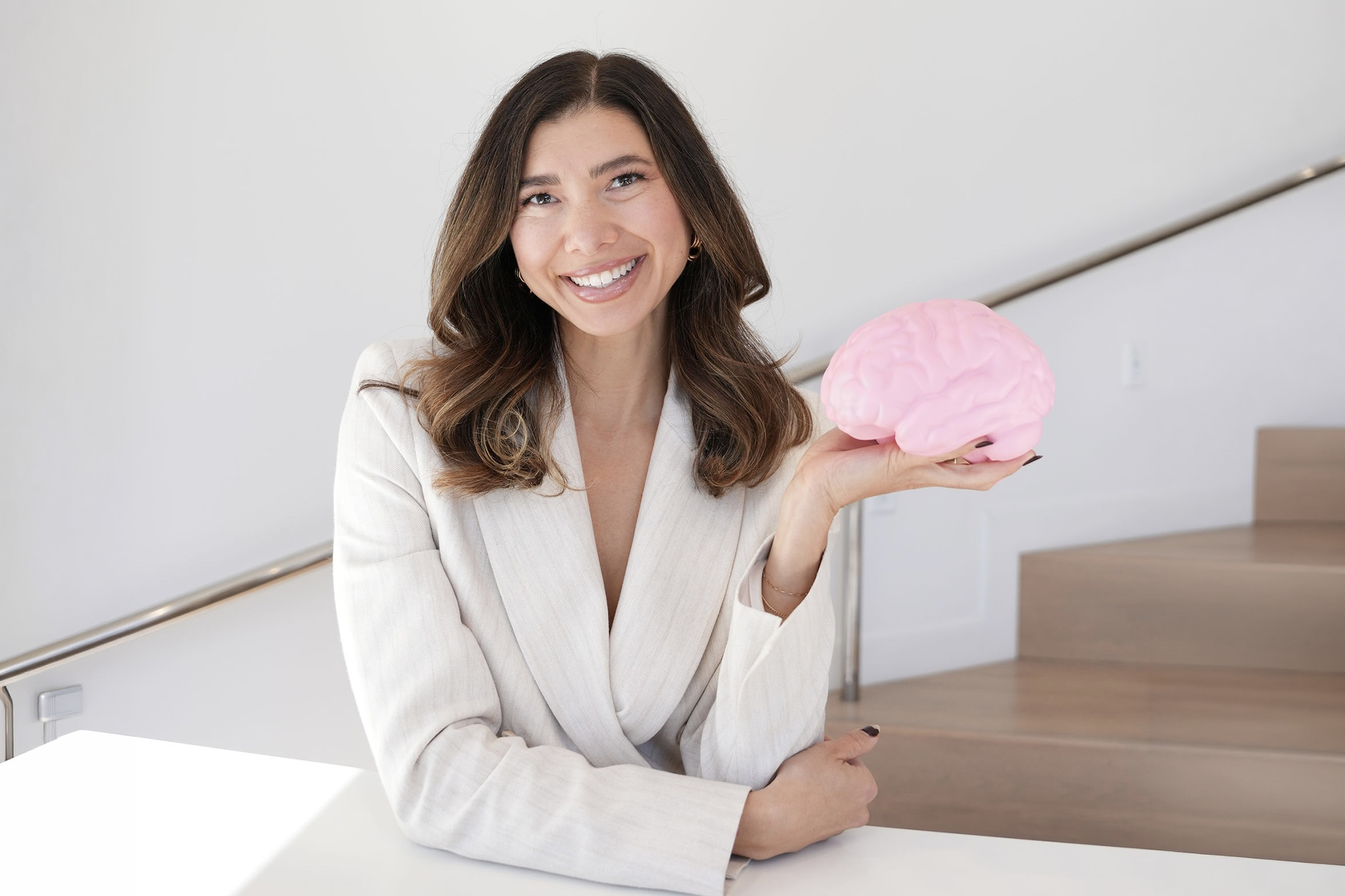
We often only think about brain health when we’re feeling forgetful or noticing that quiet “mental fog” start to creep in. But cognitive neuroscientist Dr. Julie Fratantoni believes our brains shouldn’t just be maintained—they should be actively strengthened. Just like the trails we hike on the mountain, our neural pathways thrive with consistent, intentional movement.
In anticipation of Brain Health Week (April 4–11), I talked with Dr. Fratantoni about how to plug “mental energy leaks,” the surprising science behind the power of kindness, and the daily rituals that keep the brain vibrant. From longevity lectures to hands-on sessions in our organic gardens, this week is an invitation to give your mind the profound reset it deserves.
I tend to think about brain health when I’m visiting my nearly 90-year-old mom or when I forget something as simple as where I left my keys. You frame brain health in terms of performance and longevity. How do we move from thinking about the brain as something we fear losing to a more proactive approach of how can I actively strengthen it over time? Treat it more like a muscle than a slowly eroding sponge.
For a long time, the narrative around the brain was that decline is inevitable, and there’s nothing you can do. But research has shown you can strengthen and protect your brain at any age – thanks to neuroplasticity! To move to a more proactive approach, people need clear steps they can take and experience the benefits of a healthier brain (e.g., clearer thinking, better relationships, less stress) so it’s rewarding and motivating to continue healthier habits.
We live in a world designed to keep us distracted, and many of us arrive at The Ranch feeling ‘scattered’ or foggy. You led a study specifically to define and measure brain performance, resilience, and empathy. From that data, what are some of the biggest ‘invisible drains’ on our mental energy that we’re all experiencing without realizing it? Is it possible to reclaim that energy or protect it?
There are many daily habits that people don’t realize are harmful to the brain. I call these mental energy leaks. Ex:
– having too many computer tabs open
– constant notification interruptions
– being on your phone first thing in the morning
– working nonstop without breaks
– multitasking
You can make small changes to protect and boost your mental energy, for example:
– close windows and tabs that you don’t need
– put your phone on dnd
– enjoy screen-free mornings
– take micro breaks
– do one thing at a time
You’ve spent a lot of time researching things that sound ‘nice’ but are actually quite powerful, like kindness and sleep. For someone who thinks these are just ‘soft’ wellness topics, can you explain how a simple act of kindness or a better night’s rest actually acts as a ‘power-up’ for our brain’s physical health?
People who live the longest and healthiest live with strong social support. Kindness is foundational for social connection. Research has shown that people who practice kindness are happier, less depressed, and more satisfied with their life and work.
Sleep is one of the most powerful brain enhancers we have! Sleep is the only time the glymphatic system runs – cleansing your brain of toxins that build up during the day. When you miss out on sleep, you prevent this important process from happening.
We have public laws around things that harm our physical health, like age limits on smoking and regulations on where you can smoke. If we treated brain health with that same level of seriousness, what kind of social boundaries would you advocate for? Are there things, activities, behaviors, we take for granted that we should be paying closer attention to?
Technology use – it cuts into sleep, takes away from in-person social connections, reduces physical activity, and adds to stress. All of these things can increase risk for cognitive decline. I recommend everyone have a digital sabbath: one day a week, take a full or half day away from your cell phone. A few other best practices are: not checking your phone right when you wake up, having a technology-free wind-down period of 30-60 minutes before bed, and staying off your device during meal times.
We want everyone to leave The Ranch after a restful time and a practical toolkit. If you had to narrow it down to a few, non-negotiable habits that someone can start tonight to protect their cognitive longevity, what would they be?
Every day, engage in these three brain exercises:
1. Take short breaks. Don’t let stress accumulate all day. Little pauses (1-2 minutes) throughout the day can help regulate your nervous system.
2. Focus on one thing. Put your phone on DND, close all other tabs and applications, and give your undivided attention to an important task.
3. Think deeply. Taking time to process and digest things that were meaningful to you, for example, an article you read, a podcast you listened to, or a conversation you had. Ask yourself: “What did I learn that can update my thinking?” or “How does this apply to my life”? Taking a few minutes to make these connections helps your brain remember the information.
Join Dr. Julie Fratantoni, Dr. Annie Fenn, Carrie Geraci, and Laura Dean for Brain Health Week, April 4-11.