A Perfect Lifestyle: Food, Drink, Sex and Chocolate.
Every day we make important lifestyle choices which determine how long and well we will live. This discussion examines food options from vegan to keto, focusing on the Rancho La Puerta and Mediterranean diets. These two plant-based, pescetarian eating patterns provide optimal health and longevity. Other topics covered include ultra-processed foods, superfoods, vegetable variety, obesity, sex, marriage, childbearing, professional success, and chocolate. Misconceptions about superfoods, vegetable variety, and approaches to weight loss will be highlighted, as will be the effects of diet on sexual performance and enjoyment. Recent gene-based data, which has led to a reassessment of modest alcohol consumption, will be covered in detail. All these choices are approached from a rigorous scientific viewpoint, with an emphasis on how each affects health and longevity. For those with a sweet tooth, delicious dark chocolate will be given to those able to answer relevant lifestyle questions.
From Labels to Longevity: Understanding Your Food.
It would be best if we bought only food in its natural form rather than processed and packaged food. Compounding this disadvantage is the fact that processed and packaged food labels are frequently misleading. For example, much of what is labeled “extra-virgin olive oil” is something else. Even the FDA mandated nutritional facts box can mislead. A can of spray cooking oil may state that it contains no fat even though it is 100% fat. This discussion covers the most common types of labeling misinformation and teaches you exactly how to pick healthy packaged foods using simple approaches to nutritional listings. You will be able to quickly identify foods that are in fact “low salt” and “whole grain.” The health consequences of obesity will also be discussed, as will be proven approaches to sustained weight loss. The healthful and harmful varieties of carbohydrates, fats, and proteins will be addressed, enabling you to make truly good diet decisions. Delicious and healthful dark chocolate will be given to those able to answer relevant food label questions.
The Science of Exercise: How to Get the Greatest Benefit from Working Out.
After a healthy diet, physical activity is the easiest and least expensive way to increase longevity and prevent heart disease and dementia. Beneficial physical activity ranges from walking to running marathons. Non-exercise physical activity, such as walking stairs, contributes as much to wellbeing as working out. Every minute of physical activity in every form is helpful. The myriad physical and emotional benefits of all levels of physical activity are discussed, as well as the occasional adverse effects of excessive activities, such as marathon running. Considerable evidence suggests that just 5 hours of brisk walking or one hour of jogging per week combined with 2 or 3 days of strength training provides the maximal benefit on heart disease and longevity. Interestingly, lifetime elite athletes and those simply meeting these modest exercise guidelines derive the same 6-year increase in longevity. Delicious and healthful dark chocolate will be given to those able to answer relevant exercise questions.
Alzheimer’s Disease and Other Dementias: Prevention, Diagnosis, Treatment, and Caregiving
Dementia, most commonly Alzheimer’s disease, affects one in 14 people over 65 years of age, one in six over 80, and one in three over 85. It is the most feared illness in older individuals. This discussion describes the most frequent types of dementia and other neurocognitive diseases, how they develop, how they are likely to present, and how they are treated. The work-up of someone being evaluated for Alzheimer’s disease is covered in detail, as is the role of new blood and genetic tests for early detection.
Fortunately, the onset of Alzheimer’s Disease can be significantly delayed. The basic medical rule is that what is good for the heart is also good for the head. Undertaken together, heart healthy eating, physical and cognitive exercise, socialization, and hearing assistance decrease the progression of Alzheimer’s disease by at least 50%.
Dementia significantly impacts marriages and friendships and poses considerable financial burden. The difficult role of caregiving and critical decision making are discussed in detail by this former spousal caregiver. As a lift, delicious dark chocolate will be given to those able to answer relevant questions about dementia.
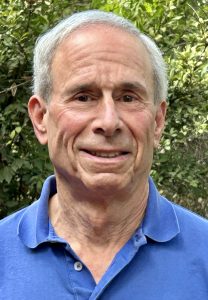 Robert Vogel, M.D., is a preventive cardiologist and Clinical Professor of Medicine at the University of Colorado Denver. He received his B.A. from Columbia University (physics) and M.D. from Yale University. He served on the faculties of the Universities of Colorado, Michigan, and Maryland, the latter as Director of Cardiology. Dr. Vogel has investigated how to prevent coronary heart disease for more than 40 years. He has authored two books and more than 250 scientific publications. He appeared in James Cameron’s documentary on athletes and plant-based eating, “The Game Changers.” Dr. Vogel frequently lectures to physicians and health organizations on lifestyle and heart disease prevention. He has received a Good Housekeeping Magazine’s “Best Doctors in America” designation, a Federal Scientist of the Year Award, and has been President of the Association of University Cardiologists. Dr. Vogel has served as a consultant to the NFL, FDA, NIH, and Pritikin Longevity Institute. He now resides in Denver with his wife, a former Rancho La Puerta docent.
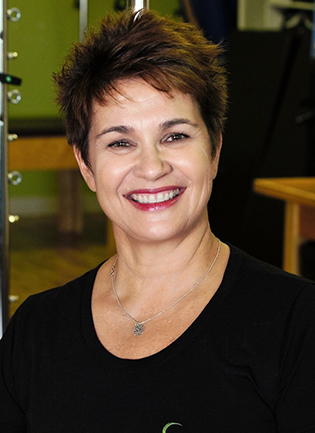
 Karen Sanzo is a master Pilates teacher, physical therapist, and educator known for her deep knowledge of anatomy, movement, and mindful instruction. She runs a long-standing Pilates studio and physical therapy practice in Dallas, Texas, where she’s worked with clients for over 30 years. She’s also spent more than 20 years as a guest Pilates instructor at Rancho La Puerta, a world-renowned destination wellness retreat and spa. Karen has contributed continuing education content for Balanced Body’s Pilates On Tour, PHI Pilates, Fusion EDU, and AARP, and is a recurring favorite on the Pilates Anytime streaming platform. In 2023, she launched Pilates for All Bodies, an app that reflects her accessible, purpose-driven style. Her teaching brings clarity, technique, and meaning to every session.
 With a distinguished culinary career spanning over 30 years, Chef Javier Plascencia is known as a free spirit who never tires of learning and experimenting with new ingredients. His passion for cooking and the restaurant industry makes him a great entrepreneur and a magnificent chef. Having established successful restaurants in Tijuana, Valle de Guadalupe, San Jose del Cabo, and Todos Santos, and having received numerous accolades, including a James Beard Award Nomination, he has now achieved Michelin Star status with his restaurant Animalón in Valle de Guadalupe, a magical space set beneath a 200-year-old oak tree. @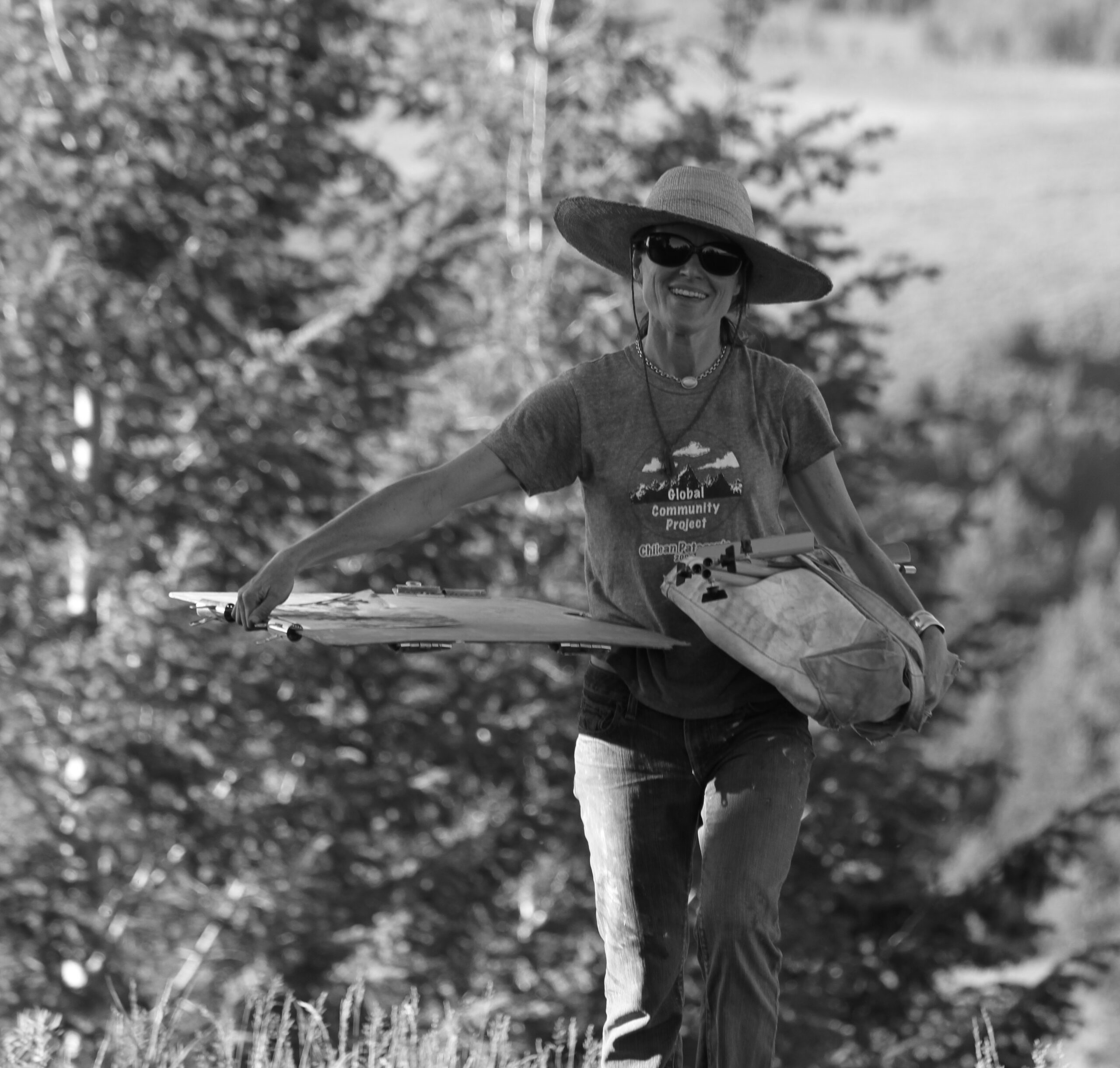
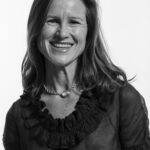 Carrie Geraci, BA, is a plein air painter and public art curator based in Jackson Hole, Wyoming. She has been an active part of the Jackson art scene since 1995, showcasing work that blends intuition, expressive mark-making, and unexpected color juxtapositions. Specializing in soft Sennelier pastels for her plein air pieces, her studio practice also includes oils and acrylics. Geraci earned a BA in Visual Arts from Brown University, where she also studied printmaking and photography at the Rhode Island School of Design. She further expanded her artistic perspective during a semester abroad in Florence, Italy, immersing herself in sculpture, photography, and drawing while exploring the region’s rich art history. A dedicated arts educator, she has taught at Portsmouth Abbey Summer School, Snake River Institute, and the Jackson Hole Community School. Beyond her personal practice, Geraci is the founder and executive director of JH Public Art, a nonprofit she established in 2010. Under her leadership, the organization has commissioned dynamic, free, and accessible public art, enriching the cultural landscape of Jackson Hole.
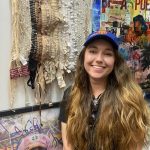 Alana Weiss Nydorf is a third generation artist and longtime proponent for sustainability in the arts. Her textiles have been exhibited at Parsons School of Design, The New School, Columbia University, O’Flaherty’s gallery, and the Transborder Artist Residency on Governor’s Island. She has been awarded grants and fellowships by the Smithsonian Cooper Hewitt National Design Museum, Waseda University, the University of Michigan, Parsons School of Design, and the Polish Ministry of Culture. Projects Alana has worked on have been shown at many institutions including Cranbrook Art Museum, Brooklyn Museum, Queens Museum, SculptureCenter, ChaShaMa, and the Museum of Arts and Design.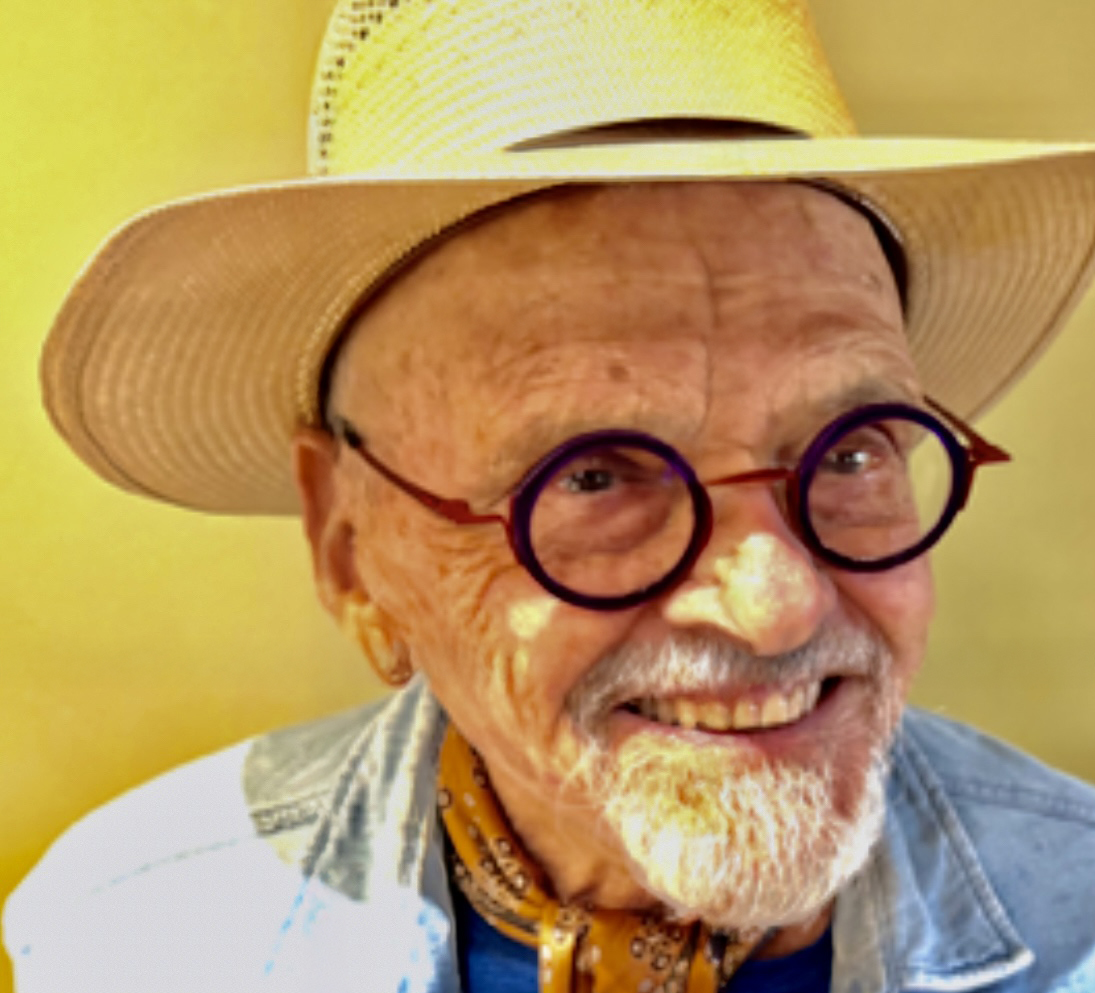
 Eddie Omens was born and raised on Chicago’s South Side, where early visits to the Art Institute of Chicago sparked a lifelong love of drawing and painting. Although he ultimately pursued a career in dentistry—encouraged by physician relatives who doubted the practicality of an artist’s life—his passion for art never faded.
 Laura Dean (pianist, teacher, author)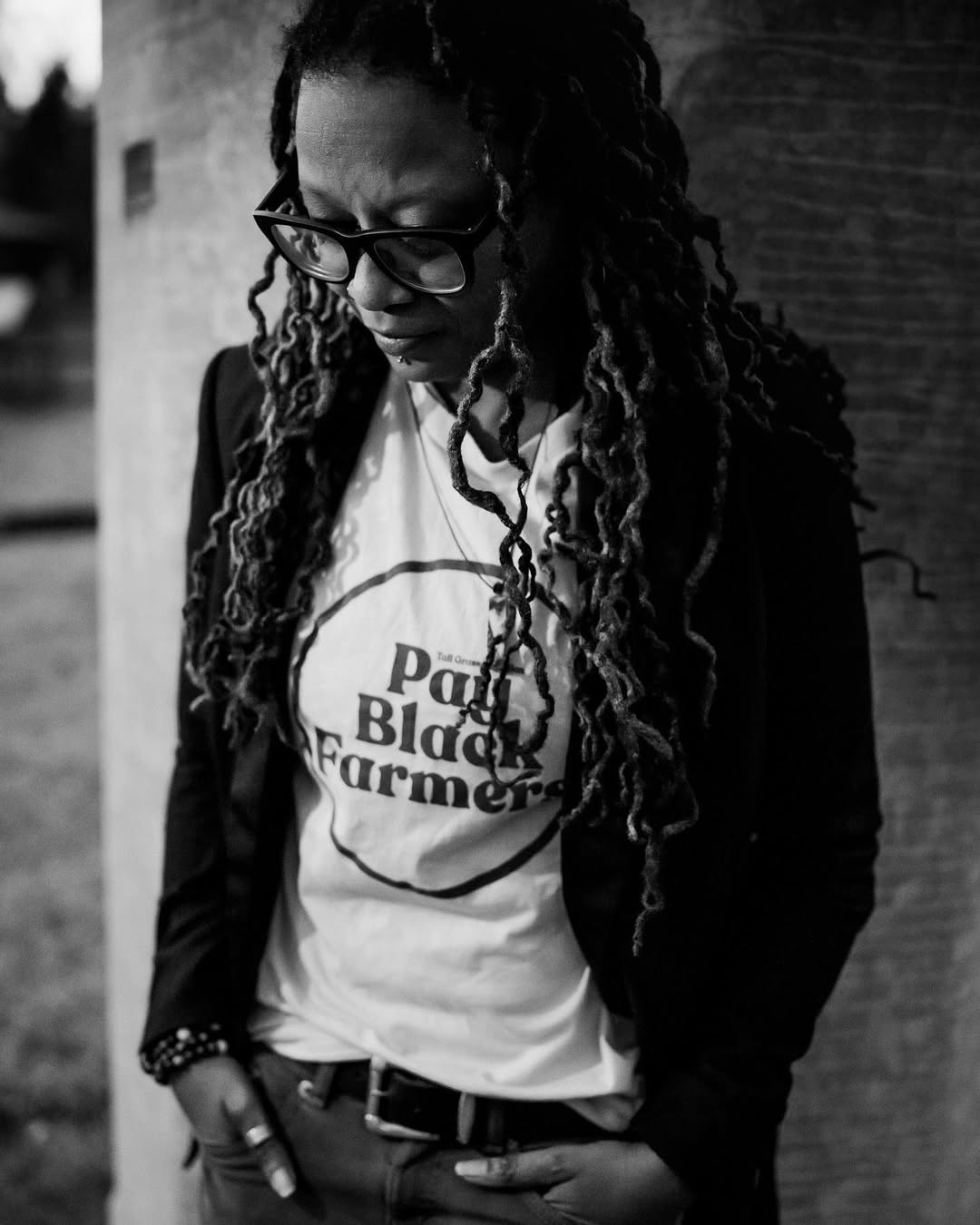
 Shorlette (she/her), is a native of Beautancus, North Carolina, where she grew up in a large family of farmworkers, cooks, storytellers and spades players. She currently serves as Co-Executive Director of Farm Aid, an organization founded by musician and artist Willie Nelson, that seeks to raise money and awareness of the plight of family farmers to keep them on their land. Farm Aid hosts an annual festival where we bring together music, fellowship and Homegrown© Concessions to raise funds to support our grantmaking efforts. She also serves on the board of Land Loss Prevention Project, an organization based in Durham, North Carolina, that works to save and preserve family farmland. She also is a former children’s librarian. In her work and daily life, Ammons seeks to lift up and be informed by familial ancestors like her grandparents, Grandma Adell and Grandaddy Rasper, daddy June, aunts Annette, Lou and Viv; uncles Buck, Ross and L.J., cousin Brandon, and others as well as freedom fighters like Fannie Lou Hamer and educators like George Washington Carver. Ammons and her daughter still call North Carolina home. (Photo ©
 Born in Maryland and now living and recording on his mountain-side farm overlooking the Catskill region of New York State, Keenan O’Meara is a singular voice in modern music — a songwriter whose work feels suspended between worlds: myth and memory, grief and grace, the natural world and the spectral one. A self-described “unmotivated naturalist, writing songs instead,” Keenan has carved out a quietly powerful space in the contemporary folk and indie landscape, where emotional storytelling meets sonic experimentation.
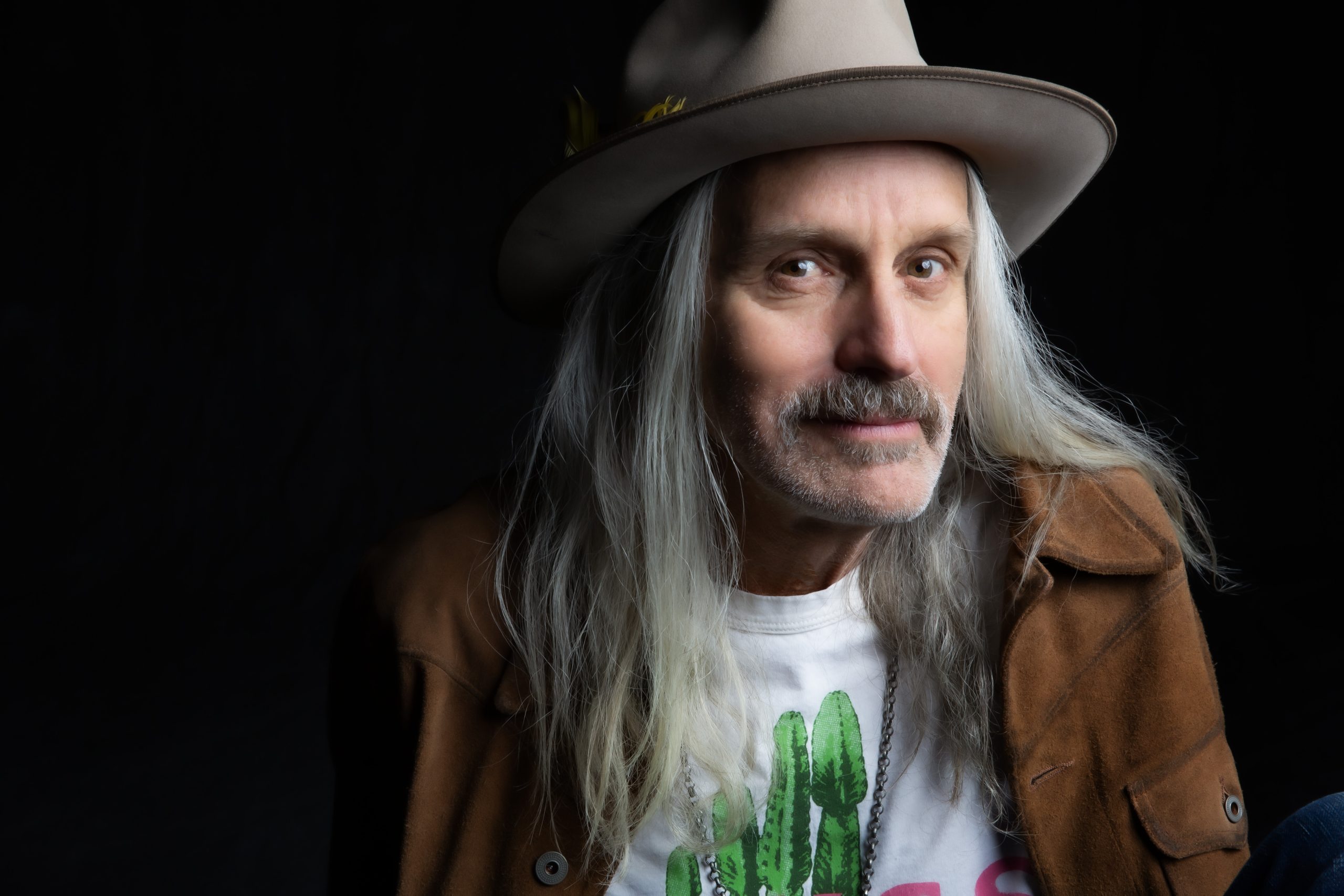
 Some people start life with a plan. Not Steve Poltz. He opens himself up to the universe in a way most of us will never be loose enough to achieve, and the universe responds with a wink, a seemingly bottomless well of inspiration, and the talent to truly connect with an audience. While 2021 could have found him adrift, faced with a tour moratorium the likes of which he hadn’t experienced in decades, it opened a door — literally, his friend Oliver Wood of The Wood Brother’s door — to creating an exuberant, thoughtful batch of songs that celebrate life in all of its stages.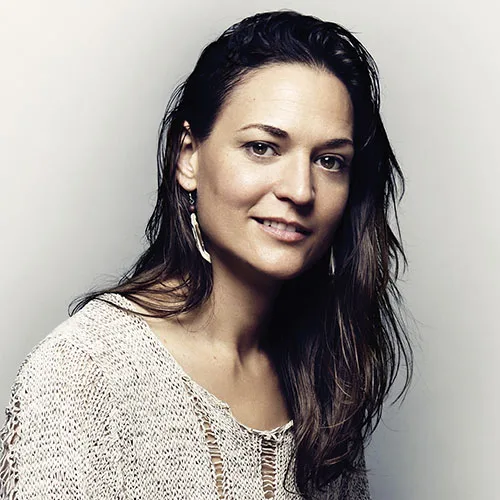
 Amber Rubarth (Producer & Co-Host, Singer-Songwriter)
 Julie Fratantoni, PhD, is a cognitive neuroscientist who is passionate about helping people become proactive about their brain health. Prior to starting her own science communication company, Julie spent five years at The University of Texas at Dallas Center for BrainHealth where she launched and led a large scale longitudinal study seeking to define, measure, and improve brain performance across the lifespan. Her research experience also includes initiatives for women’s brain health, sleep, and kindness. She is a skilled science communicator who regularly appears on Good Morning Texas with brain tips and neuroscience insights. Julie also authors a weekly Substack newsletter called Better Brain, that breaks down neuroscience and has over 175,000 subscribers. She received her PhD from UT Dallas and is also a licensed speech language pathologist, and trained in biofeedback and mindfulness techniques. Her clinical work has focused on facilitating high performance brain training for corporate executives, veterans, and athletes.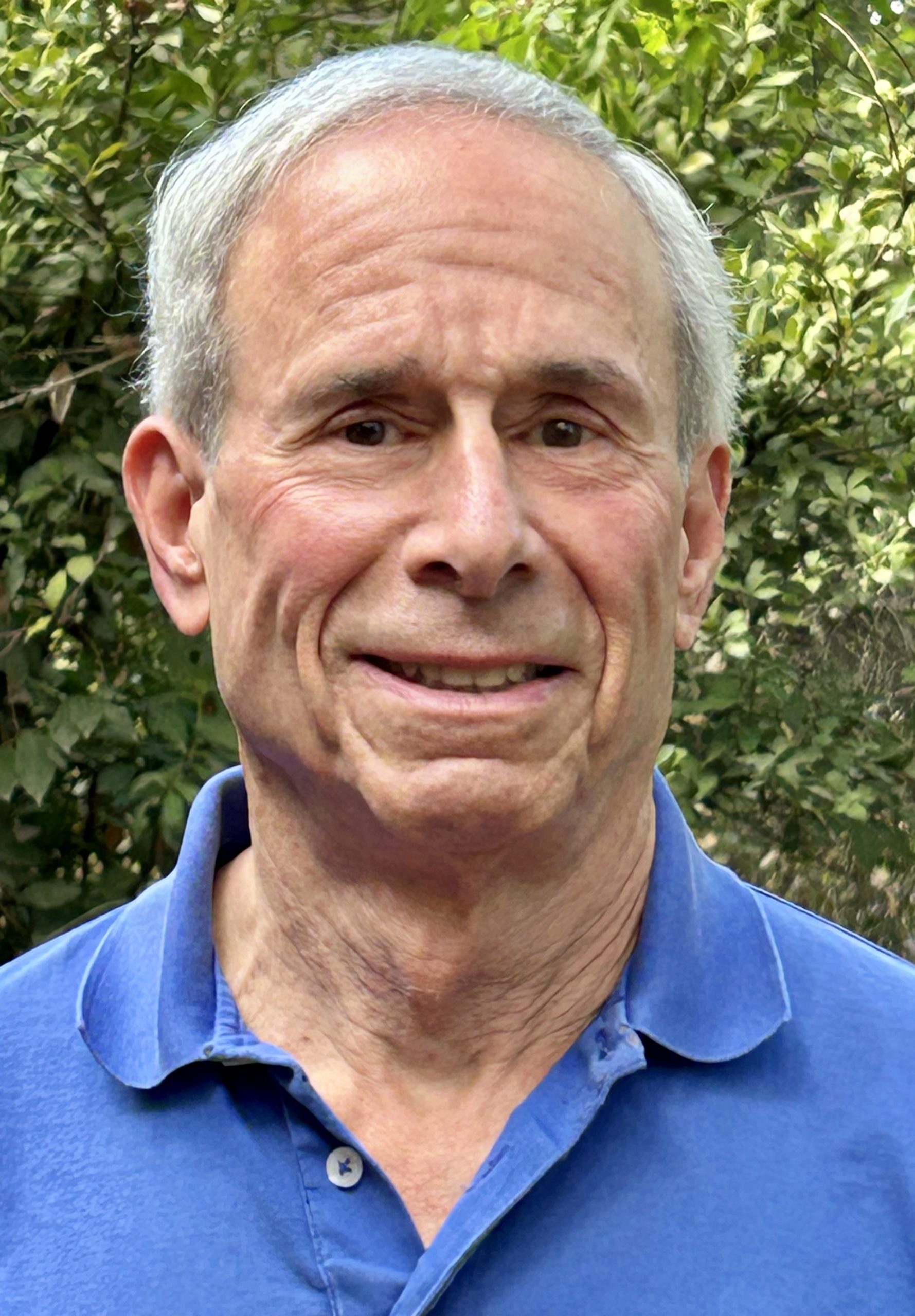
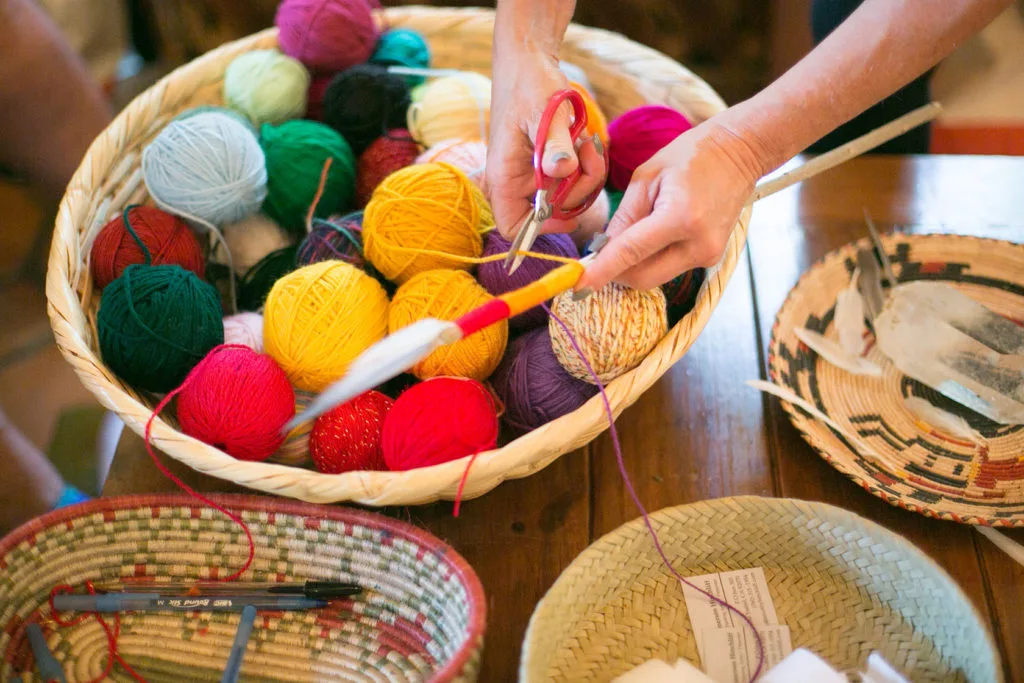

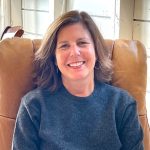 Jennifer Schulz, Ph.D., LMHC, is a literature professor, psychotherapist, and writer. For the past 30 years, she has taught creative writing, literature, clinical psychology, and interdisciplinary studies at Seattle University and the University of Washington, Bothell. She also leads creative writing workshops in the Seattle community and maintains a private psychotherapy practice specializing in helping adults navigate anxiety, depression, and trauma. Many of her clients are writers, musicians, filmmakers, and artists.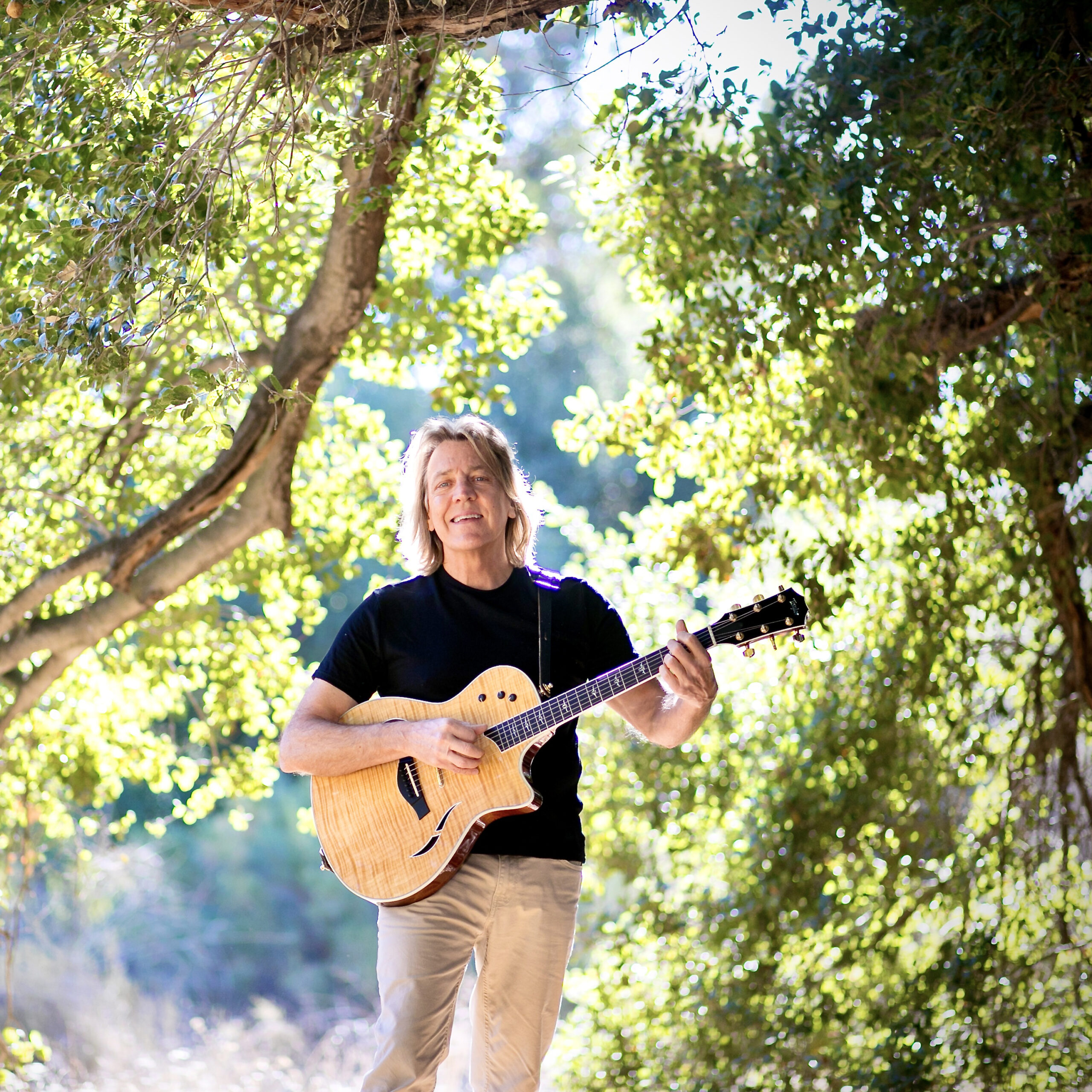
 Karl Anthony
 Mary Gauthier (Songwriter, guitarist, vocalist, author, activist) “Writing helps me sort out confusion, untangle powerful emotions, and ward off desperation. It helps me navigate the powerful emotional weather systems of life.”– Mary Gauthier, Saved by a Song. As she has so eloquently accomplished over the past 25 years, Mary Gauthier has used her art once again to traverse the uncharted waters of the past few years. “I’m the kind of songwriter who writes what I see in the world right now,” she affirms. Thankfully, amid dark storms of pandemic loss, she found and followed the beacon of new love. Her gift to us, the powerful Dark Enough to See the Stars, collects ten sparkling jewels of Gauthier songcraft reflecting both love and loss. Her eleventh album, Dark Enough to See the Stars, follows the profound antidote to trauma, Rifles & Rosary Beads, her 2018 collaborative work with wounded Iraq war veterans. It garnered a Grammy nomination for Best Folk Album, as well as a nomination for Album of the Year by the Americana Music Association. Publication of her first book, the illuminating Saved by a Song: The Art and Healing Power of Songwriting, in 2021, brought her more praise. Brandi Carlile has said, “Mary’s songwriting speaks to the tender aspects of our humanness. We need her voice in times like these more than we ever have.” The Associated Press called Gauthier “one of the best songwriters of her generation.”
 Jaimee Harris (Guitarist, vocalist, songwriter, storyteller) When Jaimee Harris alighted upon the scene in Austin, Texas, the jaded music city, replete with (and weary of) singer-songwriters, woke up and took notice. Here, finally, was a new voice. Her singing voice is noteworthy: rich, sonorous, and full, delivering a uniquely stylized, throaty tone; the voice of a writer and performer. When you watch her sing, she’ll break, cradle, and win your heart, then break it all over again. Harris turned 30 during the pandemic. It’s a milestone that is a rite of passage even during normal times. But for this Texas-born singer-songwriter, it came in the midst of one of the strangest and most tumultuous periods in American history. When the world stopped during lockdown, Harris, like many others, found herself gazing back into the past, ruminating on the nature of her hometown and family origins, and reckoning with their imprint on her. The term ‘nostalgia’ derives from the Greek words nostos (return) and algos (pain), and if Harris’s new album Boomerang Town can be regarded as a nostalgic album, it is only nostalgic in the sense that the longing for home is a desire to return to the past and heal old wounds. A poet and stunning vocalist, Harris has created an arresting, ambitious song-cycle that explores the generational arc of family, the stranglehold of addiction, and the fragile ties that bind us together as Americans.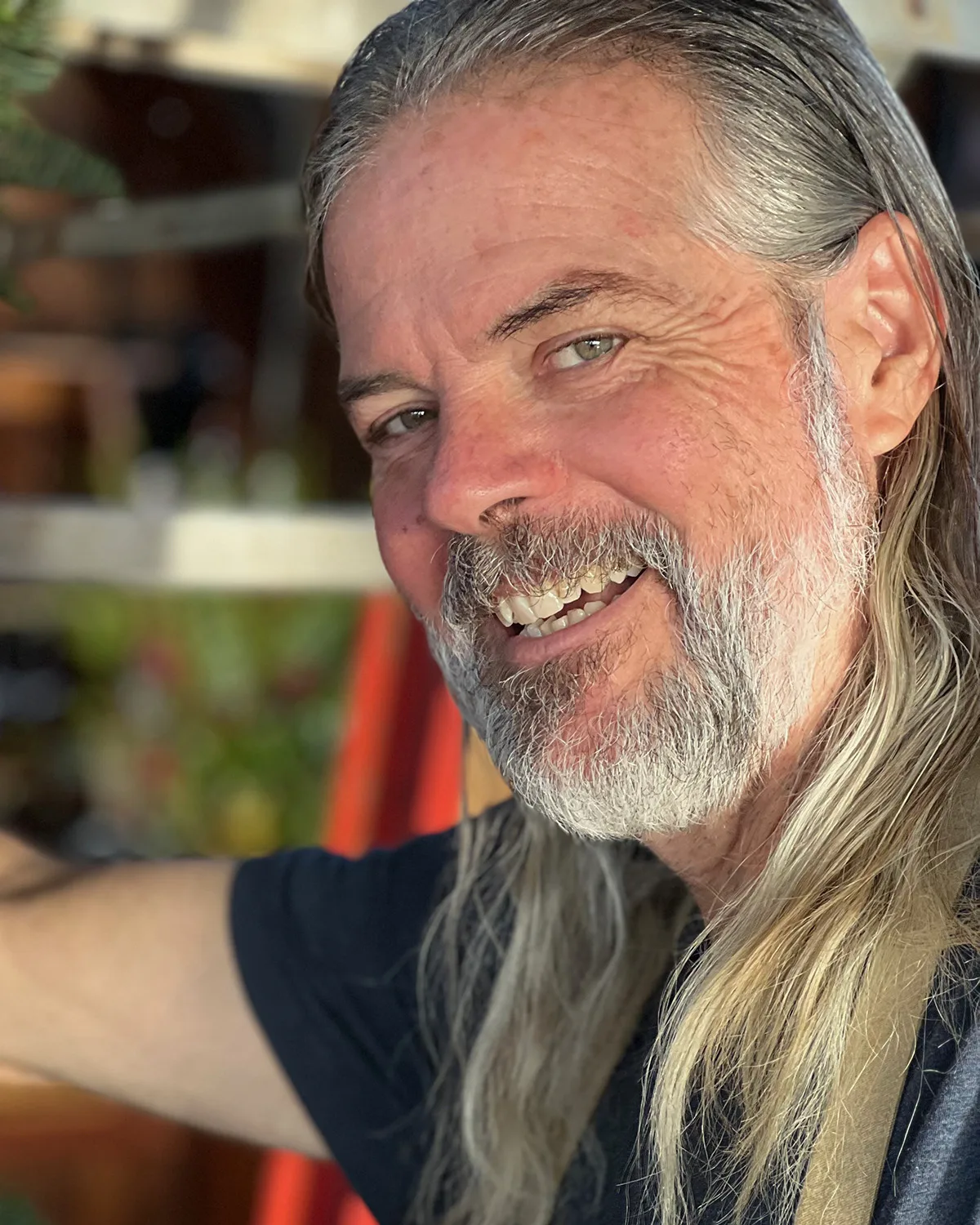
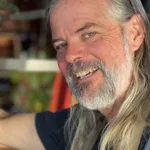 Tom Birmingham is an artist, photographer, and teacher who has lived and worked in Big Sur, California, for more than 30 years and recently relocated to a home near the Long Island Sound in Connecticut. A founding director of the Big Sur Arts Initiative, Tom has long been dedicated to fostering creativity and community through the arts. He has led instruction in a wide range of mediums, including ten years directing the art program for Big Sur’s summer children’s theater, StageKids. For over fifteen years, Tom has taught photography and drawing at Rancho La Puerta in Tecate, Mexico, where he and his wife, artist Erin Lee Gafill, have also led the Family Week programs since their inception. Together, they have conducted annual retreats in Italy focused on painting and sketching.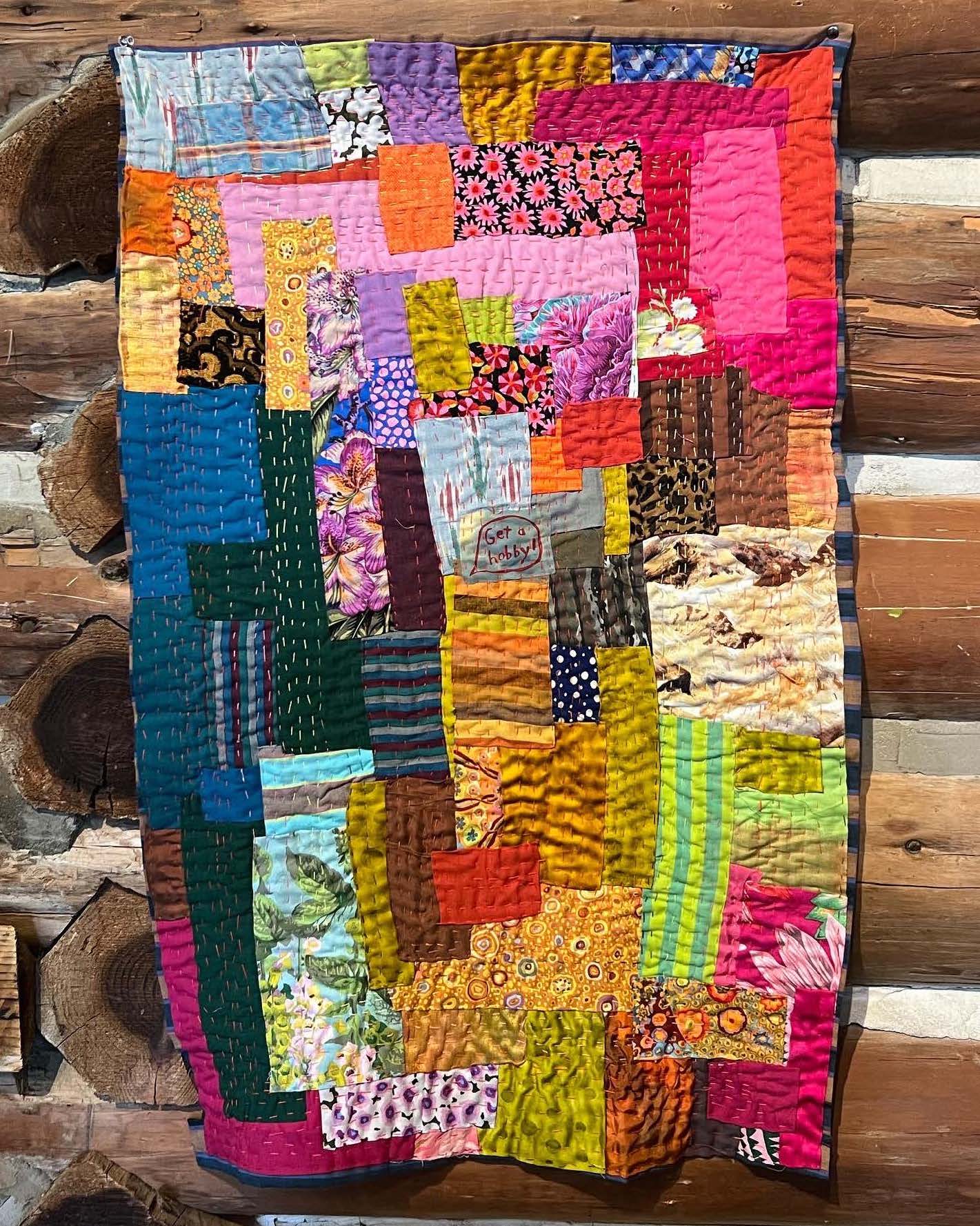
 Emily Birmingham is an artist living Big Sur, California. She works in a range of mediums, from fabric manipulation and assemblage to observational sketch and acrylic painting. Currently she is exploring group quilting and gathering together through this traditional practice. Born into a family of artists, she sees the world through a creative lens and is quick to incorporate and adapt new disciplines. Her aim is to share her expressions, through work that feels like play and interactive installation with a focus on connecting people through their creativity.