Cabbage: The Humble Vegetable Worth a Second Look
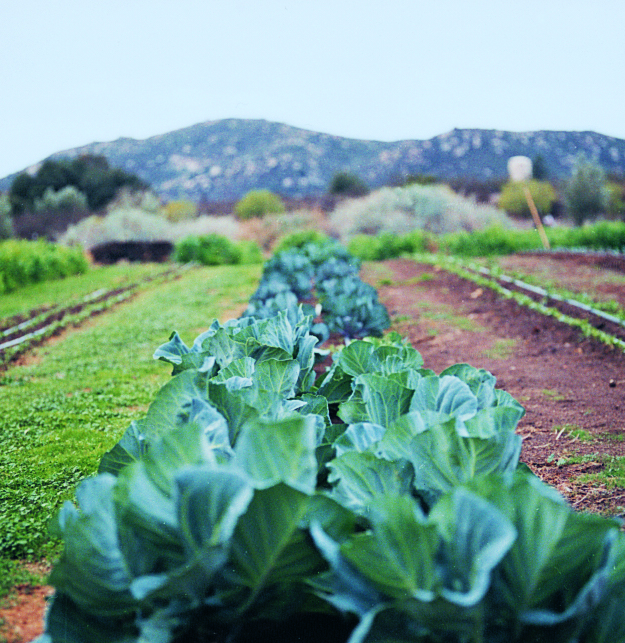
Cabbage doesn’t announce itself or lean into its superfood status. Sometimes it quietly accompanies fish tacos or tucks itself into a salad or side dish.
And yet, cabbage may be one of the most nutritionally powerful vegetables on your plate.
At Rancho La Puerta, cabbage is harvested fresh from our organic farm, Tres Estrellas, often the same morning it appears in a crisp slaw or a simple, bright salad. It’s the kind of ingredient that doesn’t need much. It flourishes in good soil, attentive growing, and a light hand in the kitchen.
A Vegetable with Deep Roots
Cabbage has been feeding people for thousands of years. Originating in the Mediterranean region, it was cultivated by the ancient Greeks and Romans, who valued it not only as food but as medicine. Over time, it spread across Europe and beyond, becoming a staple across cultures for its adaptability and resilience.
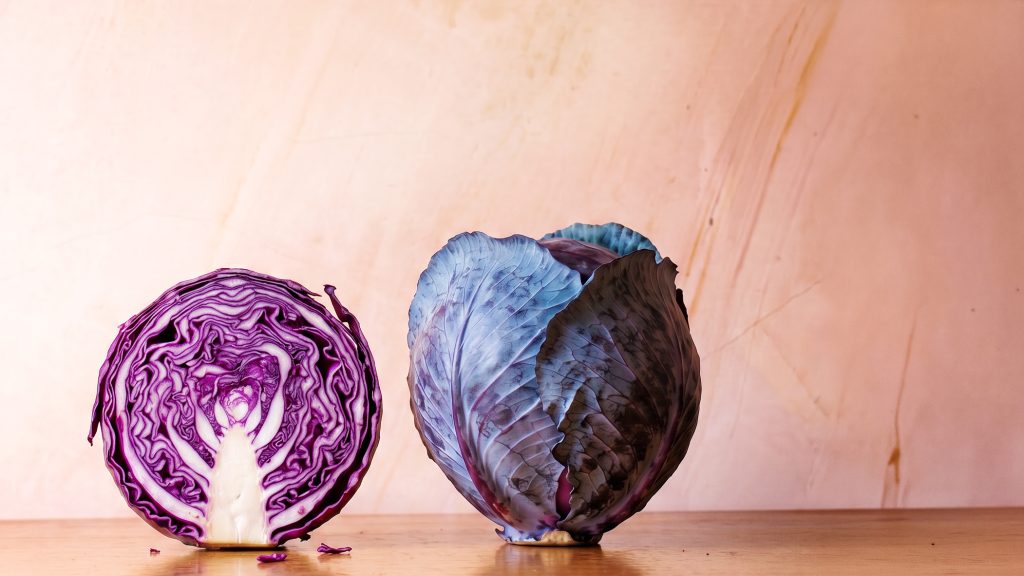
Today, there are wide varieties, from green and red to savoy and napa, that offer different textures and flavors, but share the same core strength: a density of nutrients in a remarkably simple form.
What Cabbage Does for the Body
Cabbage is rich in vitamins C and E, folate, fiber, and carotenoids, all essential for immune support, bone health, and digestion.
What sets it apart are compounds called glucosinolates. These naturally occurring sulfur compounds, unique to the Brassicaceae family, have been studied extensively for their role in reducing inflammation, supporting the body’s detoxification processes, and their potential in preventing certain cancers, including gastrointestinal cancers.
Epidemiological studies have also linked regular consumption of cabbage to reduced risk of cardiovascular disease, cataracts, Alzheimer’s disease, and diabetes.
And when fermented, think sauerkraut or kimchi, cabbage becomes a source of beneficial probiotics, adding another layer of support for the gut microbiome.
Simple, Seasonal, Enough
At the Ranch, cabbage shows up in quiet ways, shaved thin into salads, folded into soups, or lightly dressed to let its natural sweetness and crunch come through.
Sometimes the foods that serve us best are the ones that have been here all along, quietly growing in our garden.
References
Melim, C., Lauro, M.R., Pires, I.M., Oliveira, P.J., & Cabral, C. (2022). The role of glucosinolates from cruciferous vegetables (Brassicaceae) in gastrointestinal cancers: From prevention to therapeutics. Pharmaceuticals. PMCID: PMC8777706. PMID: 35057085.
Moreb, N., Murphy, A., Jaiswal, S., & Jaiswal, A.K. (2018). Chapter 3 – Cabbage. In Nutritional Composition and Antioxidant Properties of Fruits and Vegetables. Elsevier.