Whether you’re holding steady at a 2.5 or aiming to break through to a 4.0, our Specialty Pickleball Weeks are designed to challenge, inspire, and uplift your game—all within the nurturing environment of Rancho La Puerta.
Each week includes:
- 15 hours of hands-on, small-group instruction
- Unlimited open play for practice and fun
- Three Spa Treatments: Ranch Classic Massage 50-minute, Back Neck and Shoulders 50-minute, and Sports Recovery 50-minute
- Snacks and drinks provided at the courts during clinic hours
- Welcome gift bag valued at $100
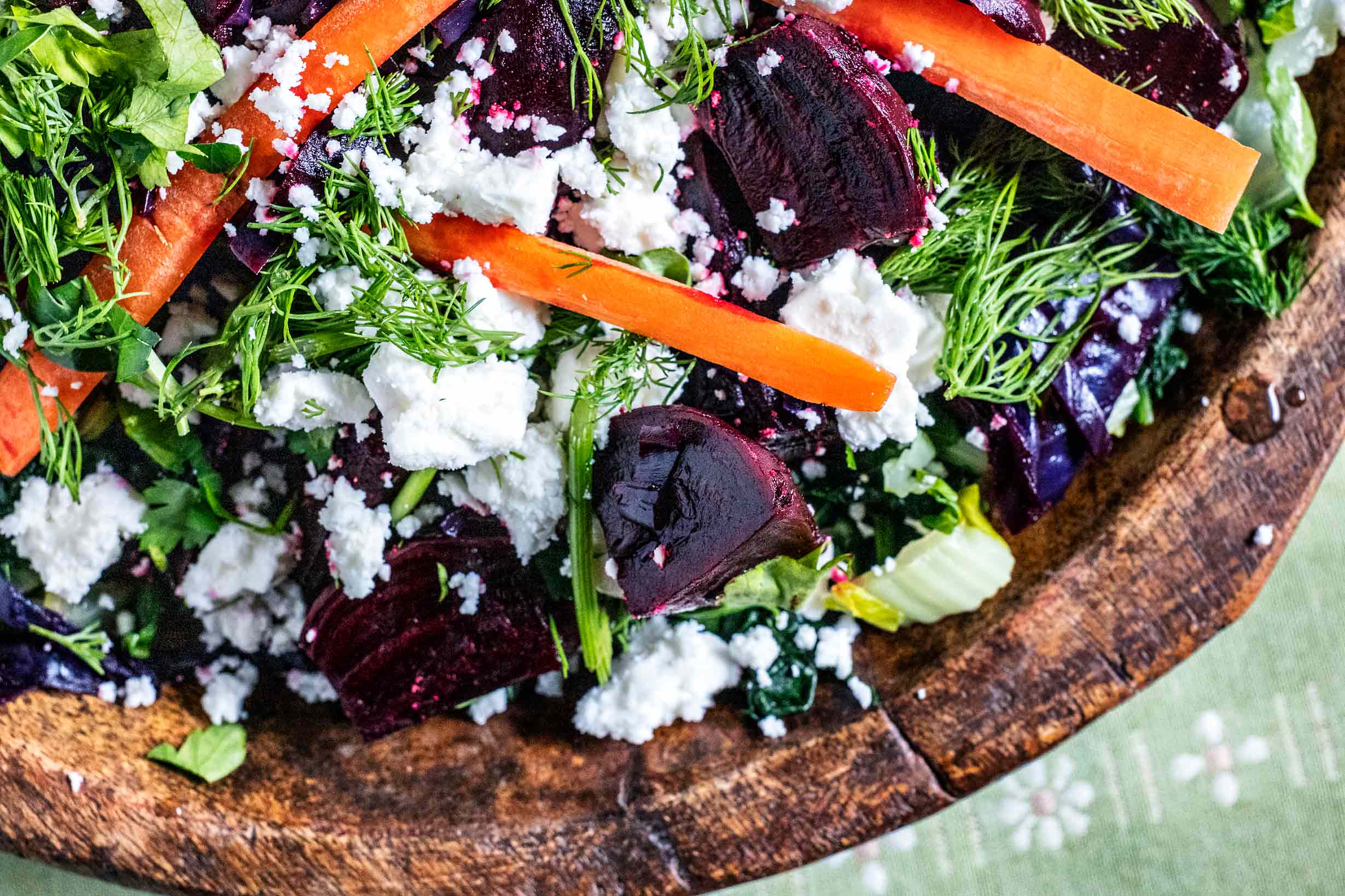
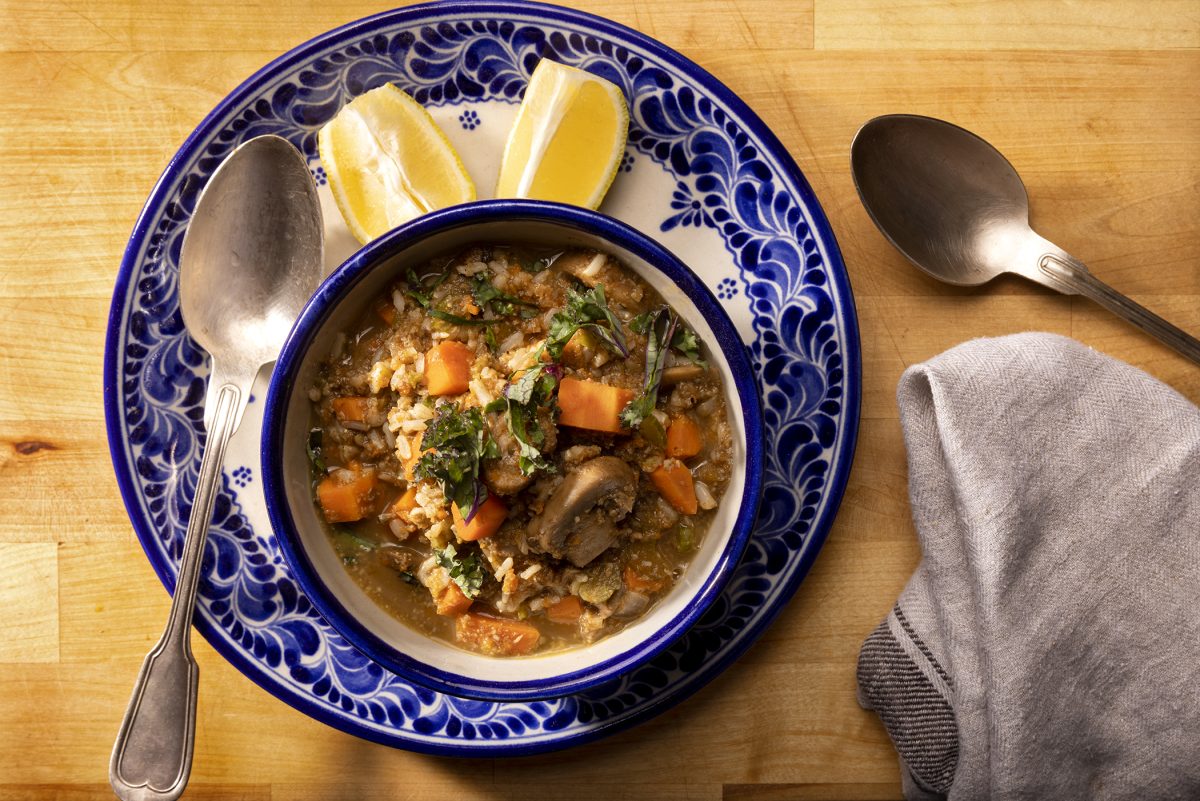
- Full access to The Ranch’s wellness offerings—morning hikes, spa, farm-to-table meals, fitness classes, and more.
You’ll dive into:
- Latest techniques and strategies
- Grips and stroke development
- Dink strategies and shot selection
- Serve and return
- Specialist shots and positioning
- Rules and court etiquette
- Opportunity to demo and purchase high level paddles.
- And so much more
Pickleball Program cost is $1000 per person, per week.*
Visit our Rates and Specials page for room prices and more booking information.
*Open to level 2.5 to 4.0 players only. Minimum 16 players/Maximum 24 players. Advanced sign-up required. Must be a registered guest staying 7-nights (Saturday to Saturday) at Rancho La Puerta. The pickleball program cost is in addition to room reservation fees.
More Information About The Week
 Mario Boschi, Co-Owner- Denver Iconics
As a son of Italian immigrants, Mario grew up in Canada in Sault Ste. Marie, Ontario. Whether it was a puck, a soccer ball, or a basketball, Mario has always been a natural athlete. He received a college scholarship for basketball and played premier recreational soccer until he was 48 years-old. Mario ran a Honda/Acura dealership in his hometown for 27 years, and received the Honda Council of Excellence Award for his leadership and work for Honda and Acura. Mario moved to the States in 2018 to be with his wife, Jen. Together in 2019, they formed their business, The Boschi Group, a career coaching and consulting business.
In 2020, Mario received his Level II Pickleball Instructor Certification (IPTPA). He has taught in Steamboat Springs and Denver, Colorado, and is currently the head pro for pickleball for Club Greenwood in Greenwood Village, Colorado. In addition, he teaches clinics in Key Biscayne, Florida and Aspen, Colorado. In 2023, Mario and Jen joined the NPL family as co-owners of the Denver Iconics, and Mario currently plays on the team.
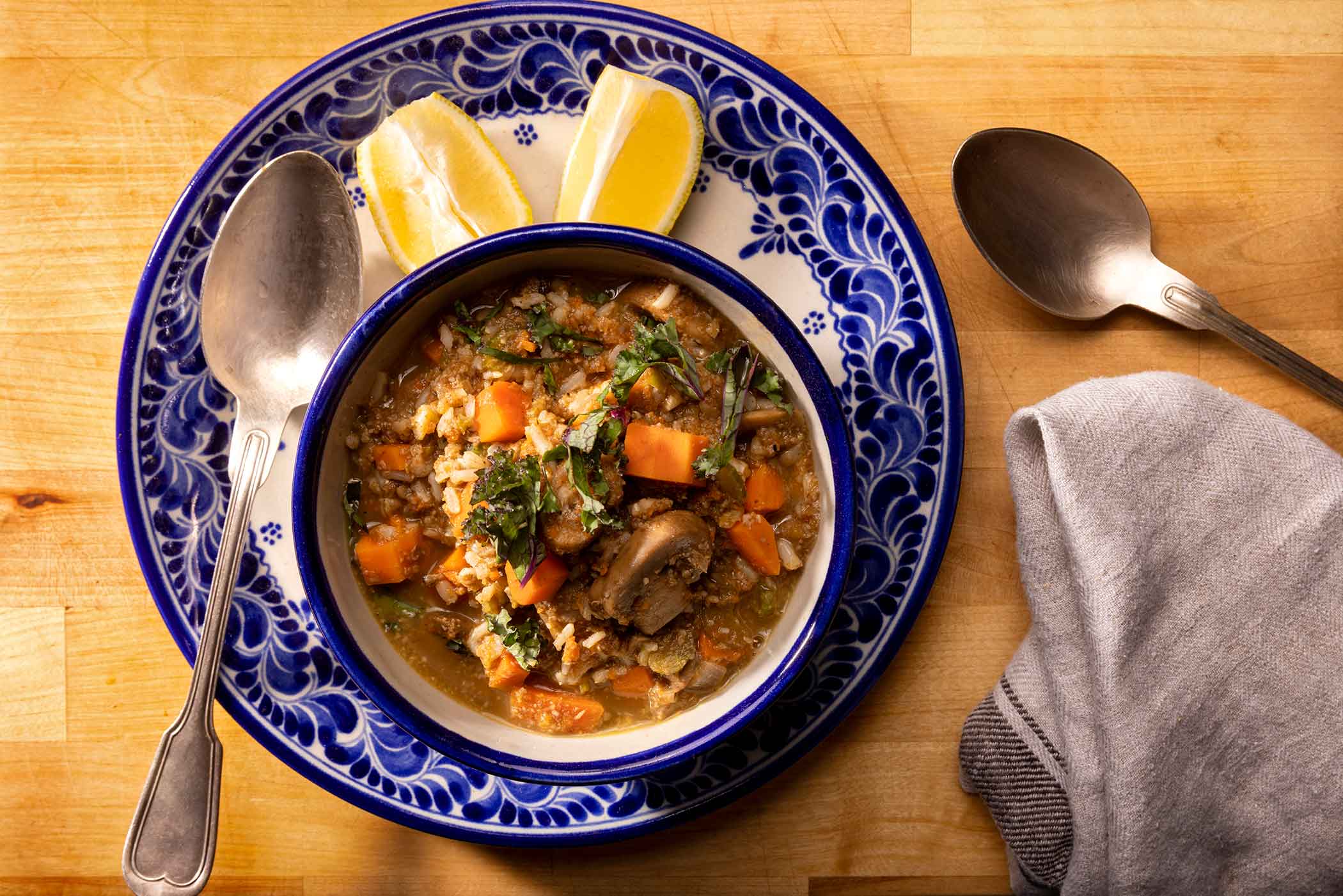
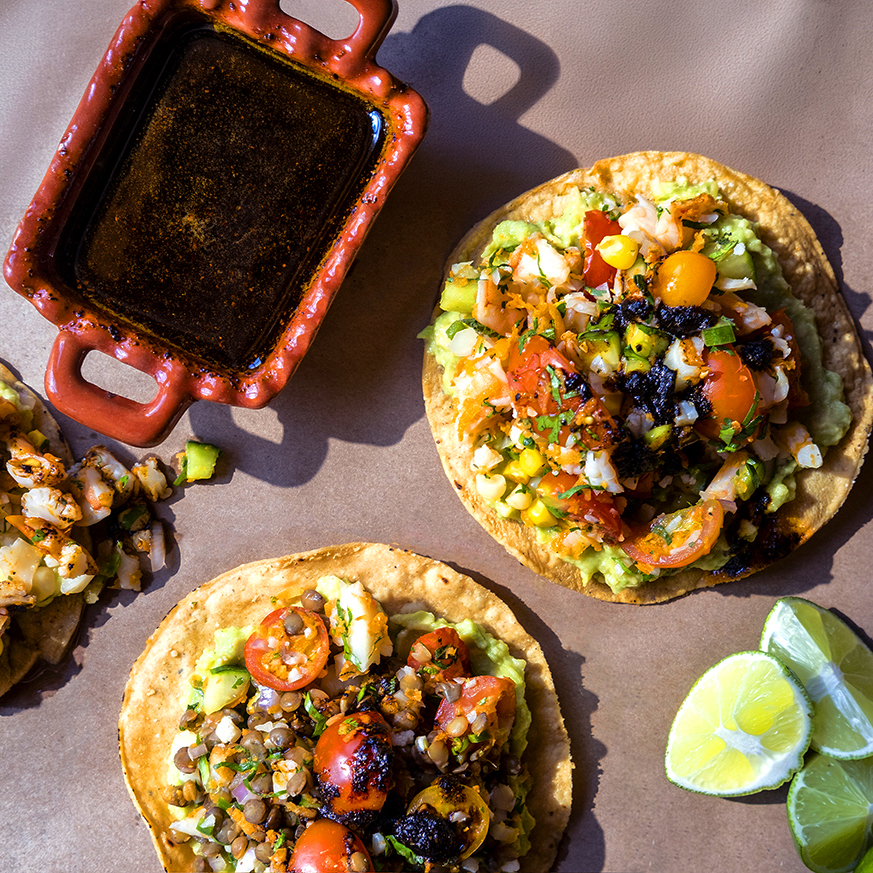
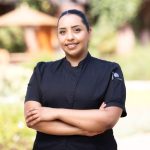 Chef Vivian Mercado is a young culinary talent with roots deeply intertwined with the vibrant flavors of her homeland, Baja California. Graduating from the Culinary School at the University of Baja California UABC in Ensenada, Vivian embarked on a culinary journey that began by honing her skills at a wholesome meal prep kitchen. Eager to explore the diverse tapestry of local Baja flavors, she took the role of a young manager at a culinary venture, where she delved into the realms of local wines, specialty coffee and artisanal bread. After three enriching years, Vivian returned to Tecate, where she found her culinary sanctuary at Rancho La Puerta. Starting at Tierra Alegre Juice Bar, Vivian delighted our guests with delicious and nutritious smoothies and cold pressed juice creations; a year later she had the opportunity to join the main Rancho La Puerta kitchen as Sous Chef for three years. Now, at La Cocina que Canta, Head Chef Vivian brings her expertise, creativity, and unwavering passion for culinary excellence to every dish she crafts, to every class she teaches.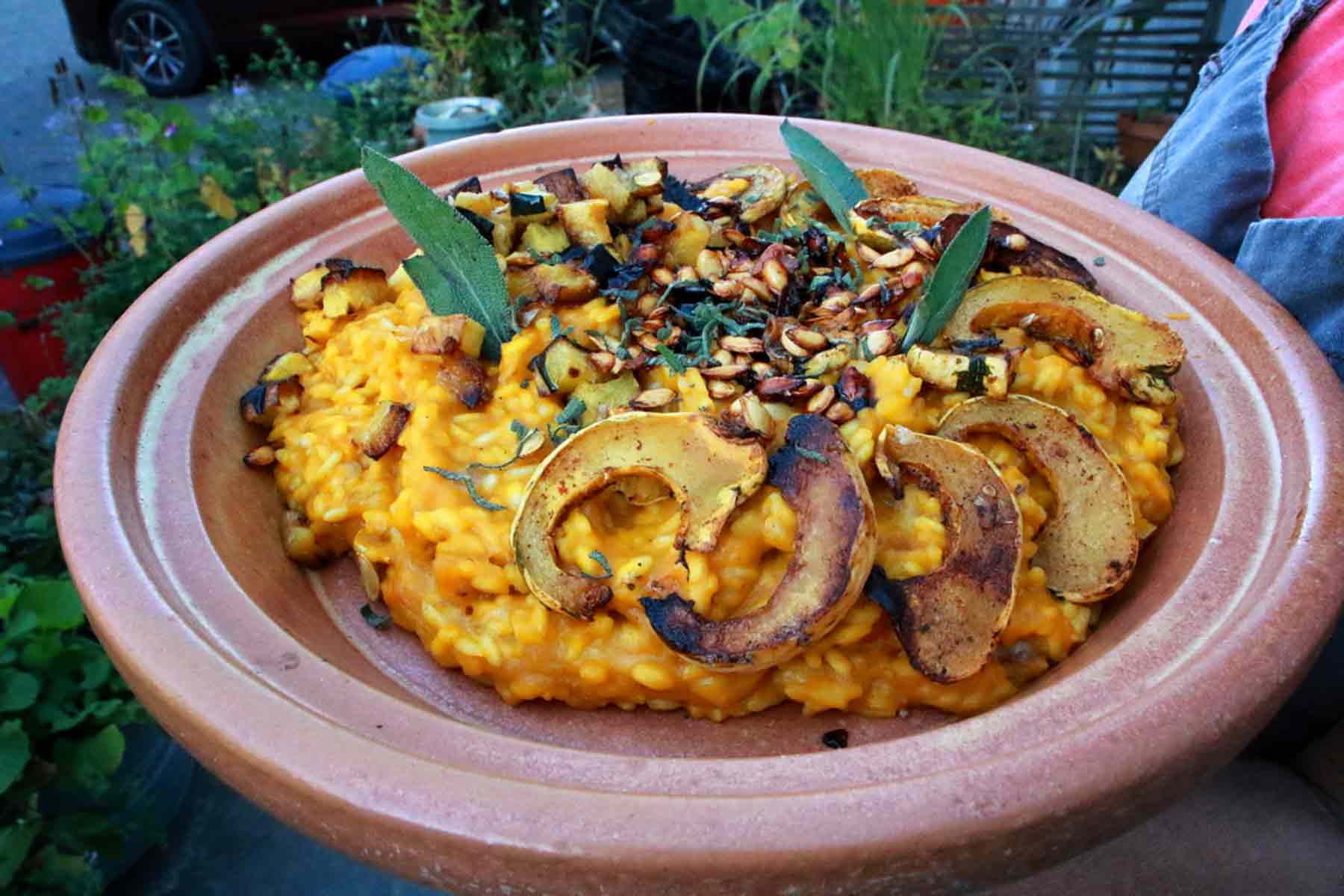
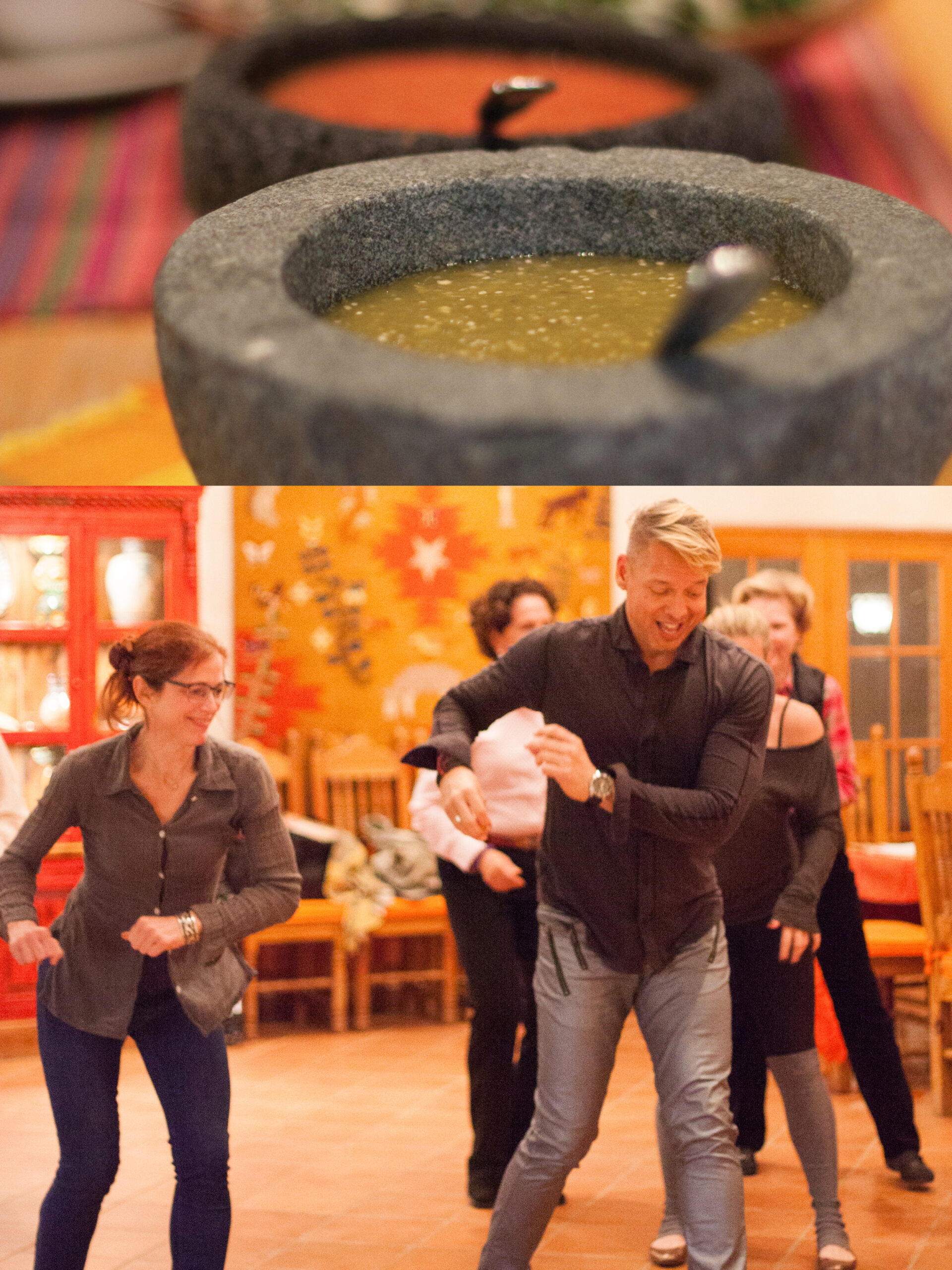
 Manuel Velázquez is an international health and wellness continuing education provider and presenter on fitness educational conferences around the world. His versatility and multifaceted approach leading land-strength and land-dance, aquatic and mind/body training programs have won him recognition as a Presenter of the Year and All-Around International Presenter of the Year presenting at fitness conferences worldwide for almost three decades. He is a proud Faculty Member for SCW Fitness Education and Creator Designer & National Trainer for their WATERinMOTION®Platinum Instructor program for the “Active Agers”. Manuel is a continuing education faculty member for SCW, ACE, AFAA, ACSM, AEA, and stars in over 70 Fitness Instructor Training Videos, including AFAA’s online yoga certification program “Sunrise Yoga”. Former Lead Instructor at Puerto Rico’s exclusive Golden Door Spa now is a head instructor at Rancho La Puerta Wellness Resort & Spa.