For decades there has been an epidemic rise in the number of people suffering from common musculoskeletal imbalances that are not caused by an injury. These imbalances are caused by other factors, such as movement dysfunction, activity choices, prolonged static postures, footwear choices, surgeries and sedentary lifestyles. Many with common musculoskeletal imbalances do not need physical therapy, whereby corrective exercise is evolving to fill the gap in care. The use of musculoskeletal assessments, self-myofascial release, restorative stretching, and corrective strengthening exercises in health and fitness settings is fast becoming commonplace to help remedy and relieve muscle & joint discomfort and pain.
As a Corrective Exercise Specialist Laura’s skill set is focused on addressing the body as a whole and identifying underlying causes of chronic pain not just the symptoms and help prevent the body from breaking down in the future. A sequenced method of structural assessments, myofascial release techniques, stretching, body centering and corrective exercises are applied. The benefits of this training can result in not only the elimination of pain, but lead to a reduction in stress and improvement in active performance and functional daily living.
Beginning on Sunday and throughout the week each class will incorporate movement and usable information. We will focus on different zones of the body using several of the techniques mentioned above in order to give participants more structural awareness, pain alleviating “hacks”, and corrective exercises to be able to easily replicate at home. Friday’s class will wrap everything up, ending your week with an energized feeling, full of vitality – moving more functionally and feeling GREAT!
Myofascial Release, Centering Alignment & Corrective Exercise Connection
Laura S Gideon M.S, CPT, CES
www.bamboobalance.com
Opening the week with a Brief intro & explanation of Fascia dehydration (causes of discomfort/pain) -therapeutic exercises to help alleviate discomfort. Followed by – The importance of centered posture and corrective exercise and its connection …. (Kinetic connection -the chain of movement starting at the bottom and moving up)
Sunday – Focus is on:
Feet, Ankles, Calves, Shins
Monday – Focus is on:
Knees, Thighs (Quads & Hams), Hips (Ad & Ab-ductors), IT band
Tuesday – Focus is on:
Pelvis, Hip Flexors (psoas), Glutes, Low Back (QL), Abs
Wednesday – Focus is on:
Mid back, Shoulders, Chest, Ribcage
Thursday – Focus is on:
Neck, Head, Arms, Hands
Friday – Focus is on:
Full Body (putting it all together), Overall Restoration, Fascia in Motion movement.
Posture muscles help to fix or stabilize a joint; they prevent movement, while other muscles create movement. They are composed of muscle fibers that have a particular capacity for prolonged work. For instance, as a person leans forward slightly to walk up a flight of stairs (the movement), the posture muscles surrounding the spine help to prevent the upper body from falling too far forward (they help keep the body upright).
There are three natural curves in a healthy vertebral spine. The low back (lumbar spine) curves inward (toward the anterior part of the body) and is referred to as a lordotic curve. The middle back (thoracic spine) is curved outward (posterior to the body) referred to as a Kyphotic curve. The neck (cervical spine) curves slightly forward and thus have a lordotic curve.
The term “Neutral Spine” usually refers to the lumbar region. Neutral spine is a pain-free position of the lumbar spine attained when the pressures in and around the pelvis joint structures are evenly distributed. The pelvis is balanced between its anterior and posterior positions.
Good posture—when you are standing:
Is the straight vertical alignment of your body from the top of your head, through your body’s center, to the bottom of your feet. The feet should be relaxed with the body’s weight resting on three points: the heel, the base of the big toe, and the little toe.
There are five principles of posture and movement that outline the ways our bodies work:
Posture Principle 1 – Movement. Your body is designed to move and stay moving. …
Posture Principle 2 – Balance. …
Posture Principle 3 – Movement Patterns. …
Posture Principle 4 – Compensation. …
Posture Principle 5 – Adaptation.
Fascia Loves
1. Hydration (think a sponge)
2. Movement (think water transportation)
3. Touch (think floorwork, massage, soft foam rollers)
4. Slow Stretch (think cats)
5. Bouncing (think jumping, dancing, running)
Fascia Hates
1. Static positions (sitting, slouching)
2. Repetitions (one-sided work or workouts)
3. Too quick stretches (it’s slower than muscles)
4. Too deep stretches (it can break)
5. STRESS (it’s one of our richest sensory organs)
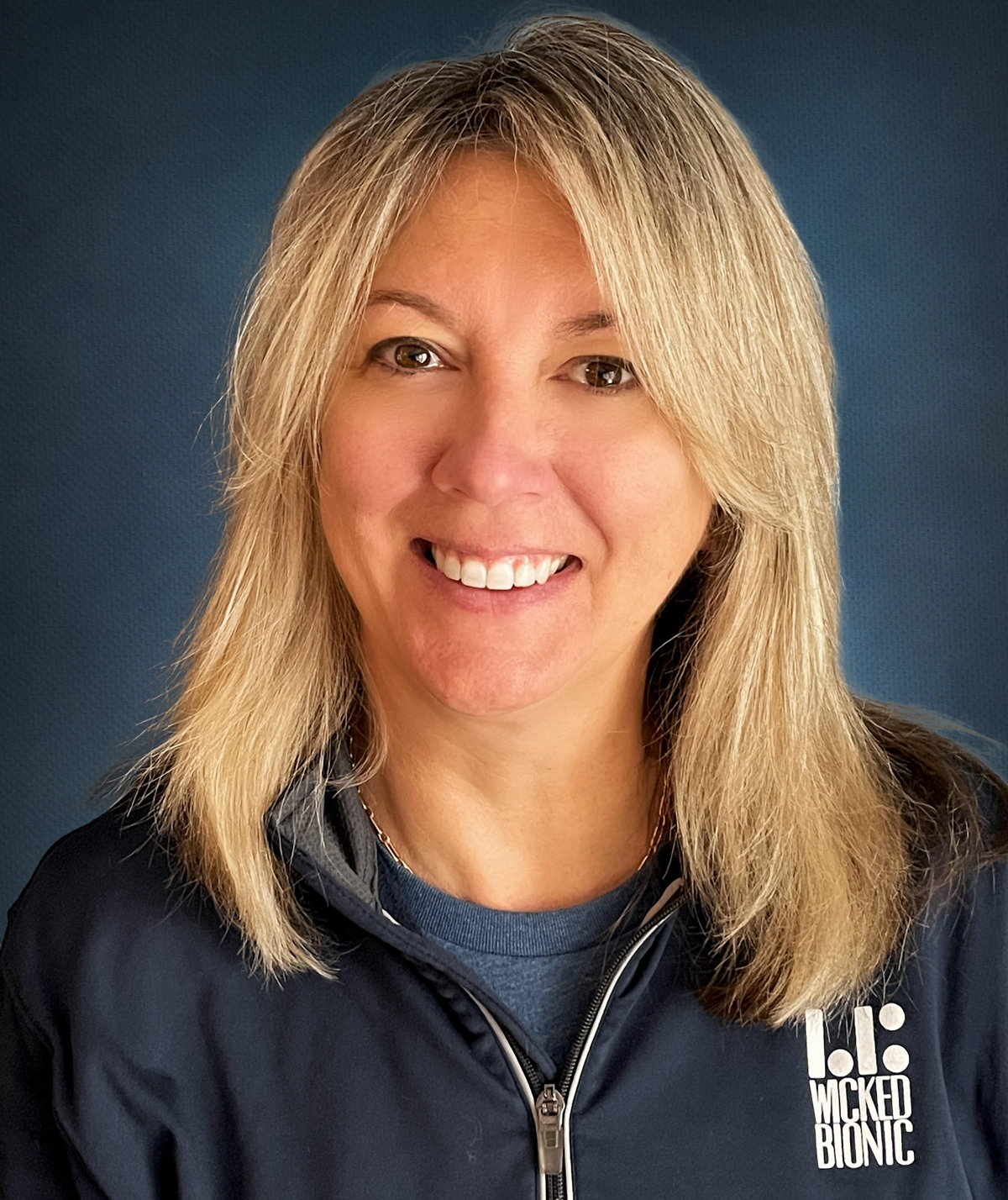
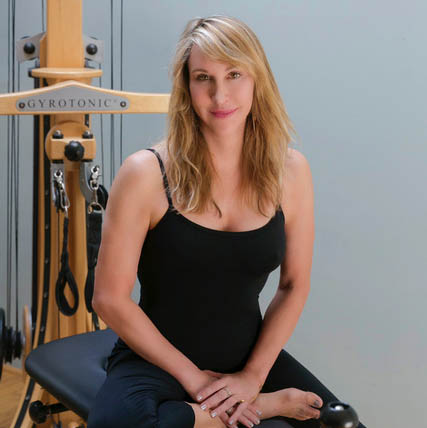
 Laura Gideon M.S. CPT, CES is an Exercise Physiologist, Certified Corrective Exercise Specialist, Pilates Practitioner, and Workshop Presenter. She has been involved in the fitness/wellness industry since 1981 and is a Two Time Corrective Exercise Specialist of the Year Top Finalist from The Biomechanics Method certifying organization. Her signature “Roll, Release & Mobilize classes” are geared toward “Hands-off self-treatment” helping clients eliminate pain, and discomfort, creating postural alignment awareness and body sense to help correct compensatory movement patterns. A great “adjunct” therapy to any exercise regime and functional daily movement activity. Laura enjoys educating her clients “beyond training” by teaching “self-care” methods to advance performance in an injury-free setting.


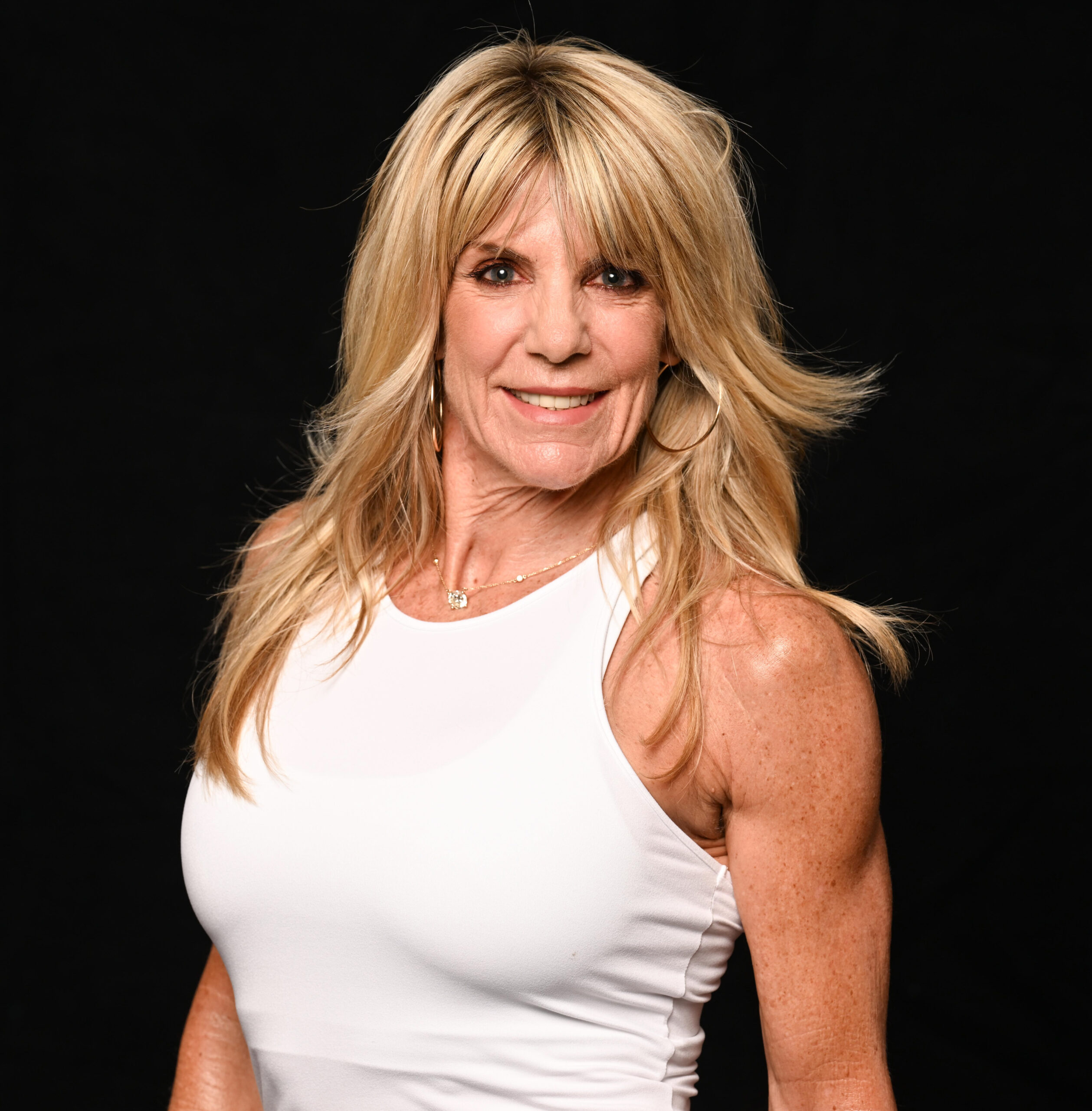




 Hi! I’m Denise Dudley, and my life’s work has been helping people build stronger connections—whether that means finding their voice, leading with confidence, or creating more satisfying personal and professional relationships.

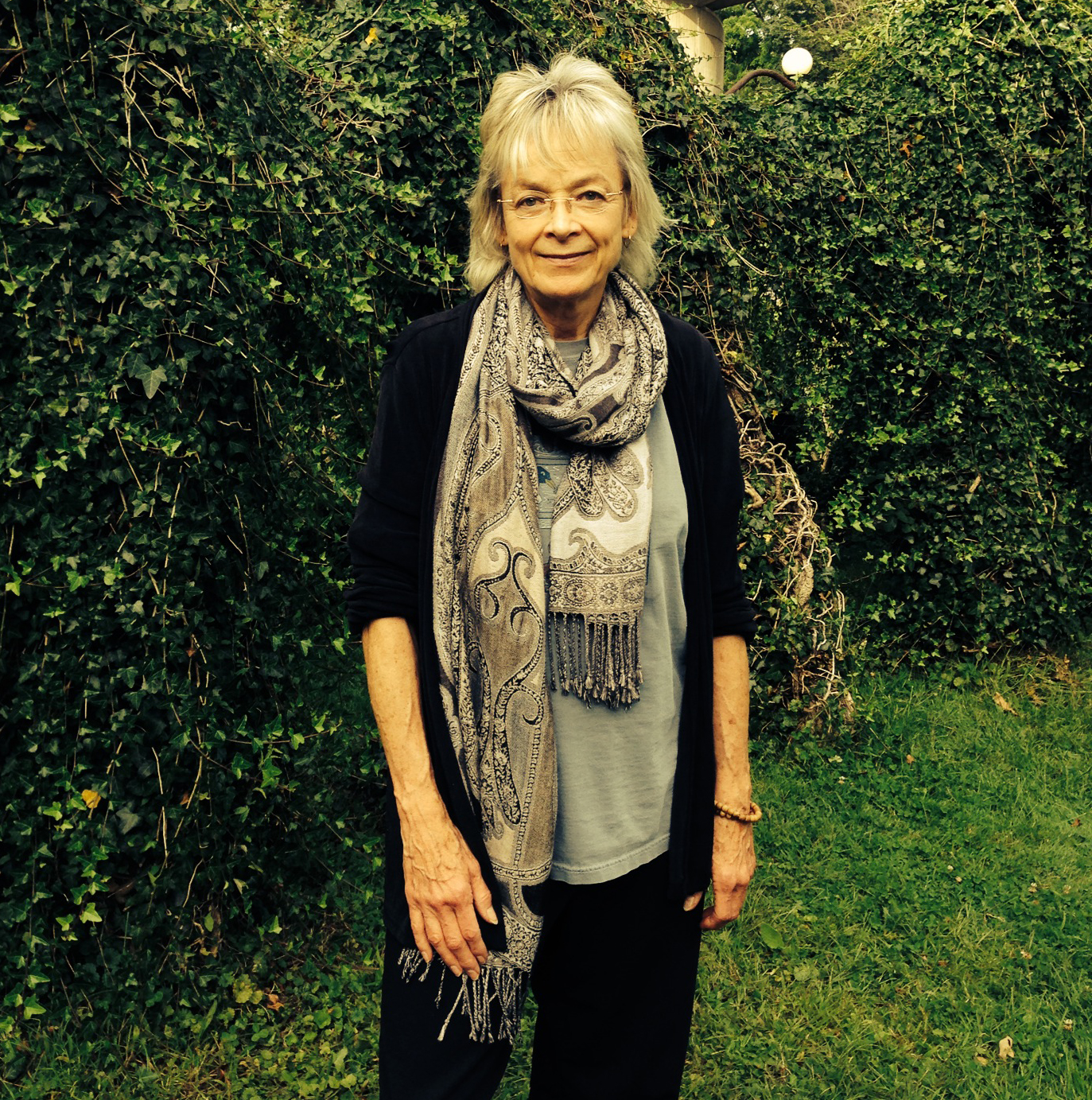


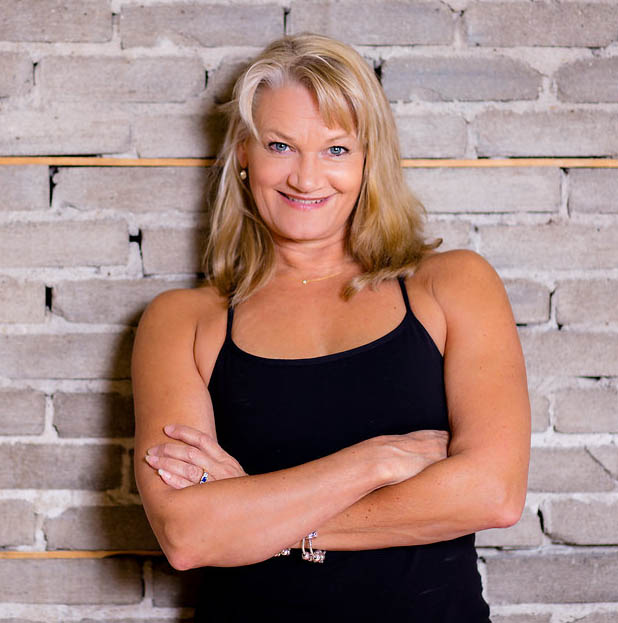
 Ingrid Knight-Cohee, MSc has over 25 years of experience in the fitness industry and is a sought-after presenter and consultant. At the helm of programming for Fitness World Canada, she creates innovative fitness class experiences for 80,000+ members across 16 locations. She has degrees in Human Kinetics and Exercise & Health Psychology, and is an ACE certified Personal Trainer & Health Coach.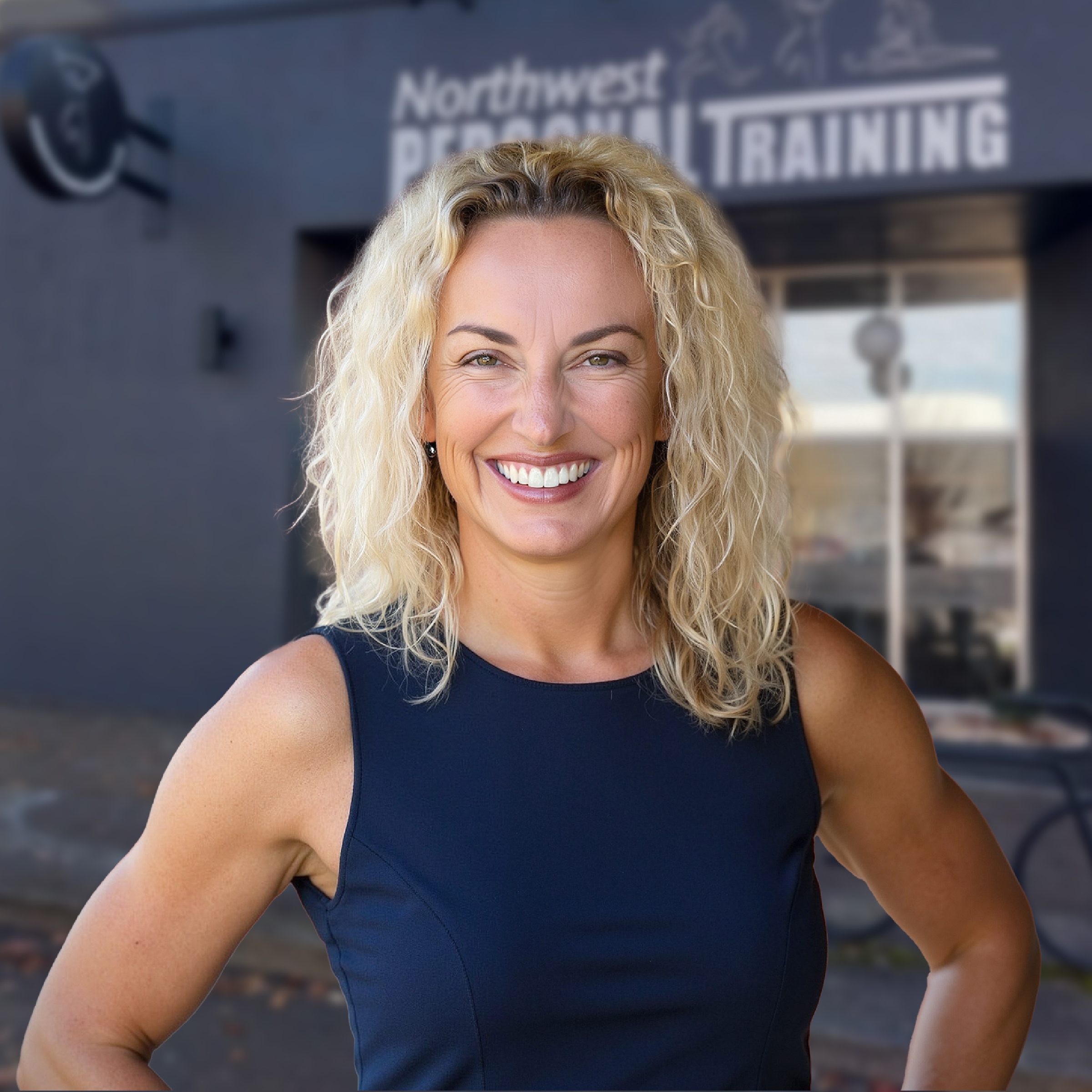
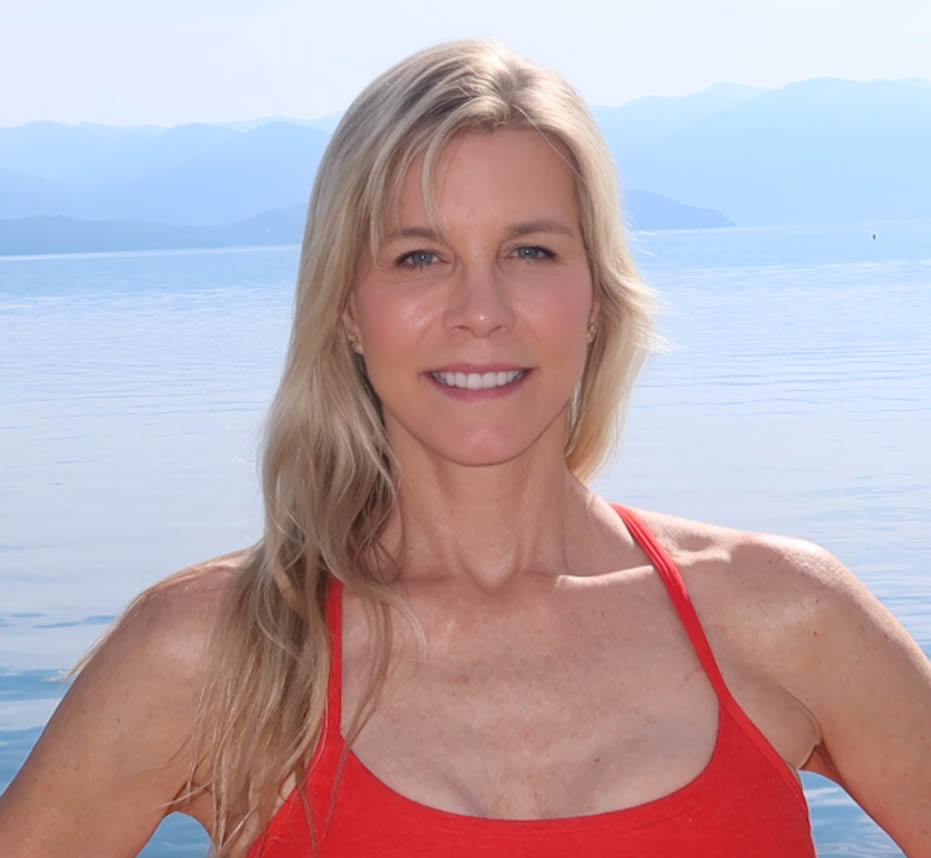
 Sherri McMillan, M.Sc. has been inspiring the world to adopt a fitness lifestyle for over 34 years and has received numerous industry awards including 2010 CanFitPro International Fitness Presenter of the Year, 2006 IDEA Fitness Director of the Year, 1998 IDEA Personal Trainer of the Year & 1998 CanFitPro Fitness Presenter of the Year. She is an international fitness presenter, a personal trainer, fitness columnist for various magazines and newspapers including the Columbian, author of five books and manuals including “Go For Fit – the Winning Way to Fat Loss” & “Fit over Forty” and featured presenter in various fitness DVDs. Sherri is the owner of Northwest Personal Training in Vancouver WA. Find Sherri on Facebook at
 Laura Penn Gallerstein, BA, Sound Healer, Author, Master Teacher, Reiki Master, Yoga, and Meditation. She is an experienced practitioner and dynamic teacher in the world of Sound Healing and trained extensively with master teachers. Most recently, published her memoir, “Whispers in Sound.” Her passion for Sound Healing with the alchemy crystal bowls and chanting has helped transform many lives. She was the owner of Sedona Sacred Sounds and now Whispers in Sound, San Diego. She continues to travel around the country leading Sound Healing experiences, workshops, and trainings.